




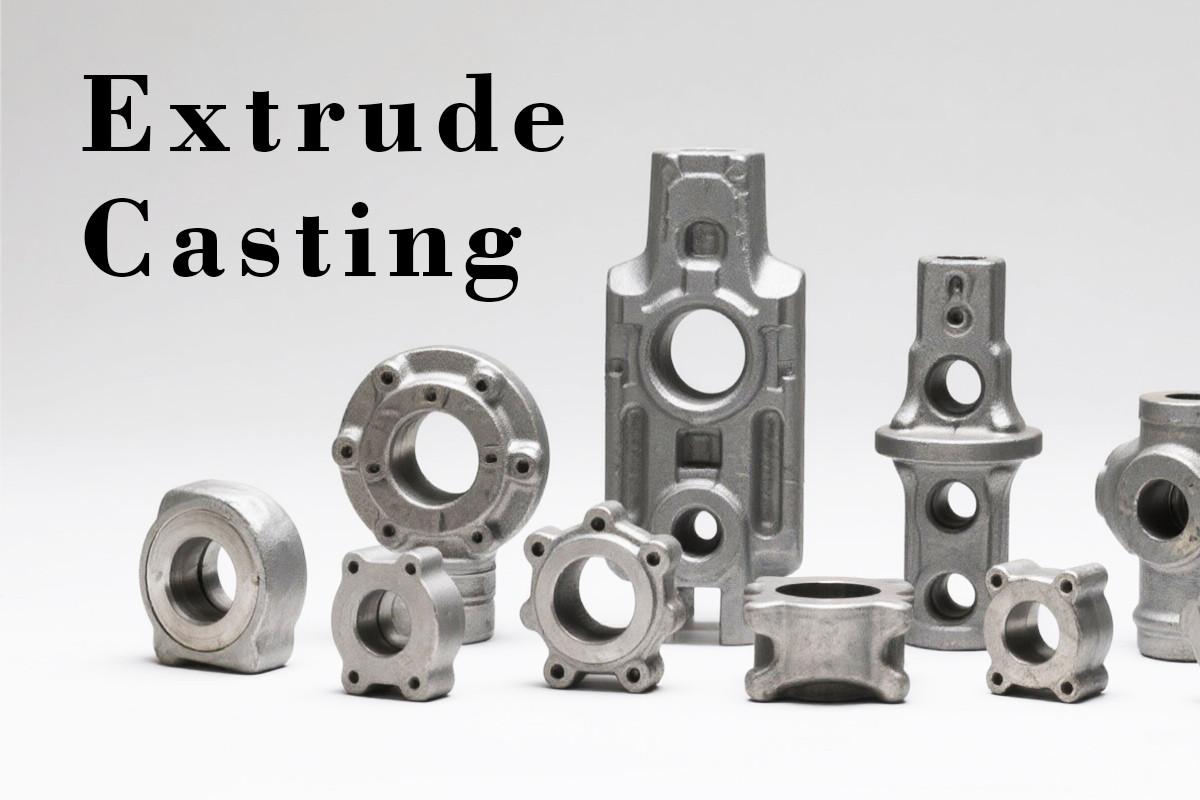
Understanding the Basics of Extrude Casting
Introduction
In the world of modern manufacturing, processes that offer both precision and efficiency are paramount. "Extrude casting," while not a standard, singular industry term, often refers to a powerful manufacturing technique that combines the best aspects of both extrusion and casting. By leveraging the unique advantages of each, this hybrid approach allows for the efficient production of components with consistent cross-sectional shapes, intricate designs, and superior mechanical properties.
This comprehensive guide will walk you through the fundamentals of both extrusion and casting, highlighting their key differences and outlining how their combination creates a synergistic process. We'll delve into the materials, applications, and significant benefits that make this method a cornerstone of advanced manufacturing.
The Extrusion Process
The extrusion process is a fundamental manufacturing technique used to create objects of a fixed cross-sectional profile. It’s akin to squeezing toothpaste from a tube, where a material is forced through a die to take on its shape. This method is particularly useful for creating long, continuous products like rods, tubes, and complex profiles.
-
Overview of the Process: The process begins with a material, such as a metal billet or plastic pellets, being heated to a pliable state. It is then pushed or drawn through a die under high pressure. The temperature of the process can vary, depending on the material, ranging from hot extrusion for metals to cold extrusion for softer alloys.
-
Key Components and Equipment: The main piece of equipment is the extruder machine, which provides the force required. The most critical component, however, is the die, a tool with a precisely shaped opening that dictates the final form of the extruded part.
-
Types of Extrusion: There are two primary types of mechanical extrusion. In direct extrusion, the material is pushed through a stationary die. In indirect extrusion, the die is pressed against the stationary material. Indirect extrusion often has the advantage of reduced friction, allowing for more uniform and efficient processing.
-
Materials in Extrusion: A wide variety of materials can be extruded, from metals like aluminum and copper to plastics and composites. The choice of material significantly influences the process parameters, including temperature, pressure, and speed.
-
Die Design in Extrusion: The design of the extrusion die is crucial for achieving the desired profile and tolerances. Extrusion design principles are an essential part of the process, as complex shapes may require multi-part dies that are more challenging to manufacture but are vital for precision.
The Casting Process
Casting is a manufacturing process that involves pouring a liquid material into a mold where it solidifies into the desired shape. This ancient technique is prized for its ability to create complex, intricate shapes with minimal waste.
-
Overview of the Process: The process involves several steps, including pattern making, mold preparation, melting the material, pouring it into the mold, and finally, removing the solidified part and cleaning it.
-
Types of Casting: There are numerous casting methods, each suited to different materials and product requirements. Sand casting is versatile and cost-effective, while die casting is ideal for high-volume production with excellent surface finishes. Investment casting is used for producing highly precise, complex parts.
-
Mold Design in Casting: The design of the mold is vital for casting success. It must accommodate the material's flow characteristics and account for shrinkage as the material cools and solidifies.
-
Cooling and Solidification: The rate of cooling and solidification directly affects the microstructure and properties of the final part. Controlled cooling can enhance mechanical properties, such as strength and ductility, while rapid cooling can increase hardness.
Comparing Cast and Extruded Materials
A key part of understanding "extrude casting" is recognizing the fundamental differences between materials produced by each method.
-
Cast vs Extruded Acrylic: While both produce acrylic products, they have distinct properties. Cast acrylic is made by pouring liquid monomer between two glass plates. It is generally more rigid and scratch-resistant. Extruded acrylic is produced by pushing a molten resin through a die, making it typically softer and more cost-effective.
-
Cast Aluminum vs Extruded Aluminum: This is a common comparison. Cast aluminum is made by pouring molten aluminum into a mold. It's great for intricate, complex shapes and has a lower upfront cost for low-volume production. Extruded aluminum, by contrast, creates a strong, uniform product with a consistent cross-section, making it ideal for structural applications.
Advantages of Extrude Casting
Extrude casting integrates these two processes to enhance the capabilities of each, offering several key advantages.
-
Superior Quality and Precision: The process ensures consistent quality and dimensional accuracy in the production of parts. The use of a die allows for tight tolerances and uniform cross-sections, which are critical in industries such as automotive and aerospace.
-
Cost and Material Efficiency: Extrude casting minimizes waste by using precise amounts of material. The synergy between the two processes also reduces processing steps, which decreases labor and production costs.
-
Versatility and Design Flexibility: With the ability to work with a wide range of materials and create complex shapes, extrude casting is highly versatile. It is suitable for producing components like frames, tubes, and brackets for various applications.
-
Enhanced Mechanical Properties: Parts produced through extrude casting often exhibit superior mechanical properties, such as increased strength and resistance to wear and tear. This leads to a longer service life and better performance in demanding conditions.
Common Materials in Extrude Casting
The choice of material for extrude casting is crucial, as it impacts the final product's properties and performance.
-
Metals: Aluminum, copper, and steel are frequently used due to their strength, durability, and conductivity. Aluminum is prized for being lightweight and corrosion-resistant. Steel offers exceptional strength, and copper is known for its excellent electrical conductivity.
-
Thermoplastics: Plastics like PVC and polyethylene are chosen for their flexibility and resistance to corrosion. These materials are particularly useful for applications where chemical resistance and a lightweight design are required.
-
Composites: Composites combine metals and plastics to achieve specific characteristics, such as being lightweight yet sturdy. These materials are engineered to provide tailored solutions for demanding applications, often used in aerospace and sports equipment.
Applications and Use Cases
Extrude casting is employed across multiple industries due to its adaptability and efficiency.
-
Automotive Industry: Used to manufacture engine components, structural parts, and decorative elements. The process's ability to produce lightweight yet strong parts is essential for enhancing vehicle performance and fuel efficiency.
-
Construction: Extruded materials are widely used for building frames, beams, and other structural elements, offering durability and strength.
-
Electrical and Electronics: Extruded components are crucial for producing heat sinks, connectors, and enclosures, where precision and conductivity are vital.
-
Consumer Goods: This process is popular in the production of consumer goods, such as furniture, sporting equipment, and appliances, where it allows for the creation of aesthetically pleasing and functional products.
Challenges and Considerations
While extrude casting offers numerous advantages, it also presents certain challenges.
-
Material Limitations: Not all materials are suitable for extrude casting. Some metals and composites may not possess the necessary malleability or thermal properties required for the process.
-
Die Design Complexity: The design of the die is critical. Complex designs can be challenging to manufacture and may require specialized equipment and expertise. The initial cost of die manufacturing can also be high.
-
Process Control: Maintaining consistent process conditions, such as temperature and pressure, is essential for achieving high-quality results. Variations can lead to defects and inconsistencies.
Conclusion
Extrude casting is a powerful manufacturing technique that leverages the strengths of two distinct processes to create superior products. Its ability to deliver high quality, cost efficiency, and design flexibility makes it an attractive option for manufacturers across various industries. As technology continues to advance, the potential applications of extrude casting are likely to expand, offering even more opportunities for innovation and growth.
Understanding this process is the first step toward leveraging its potential to produce innovative, high-performance parts.