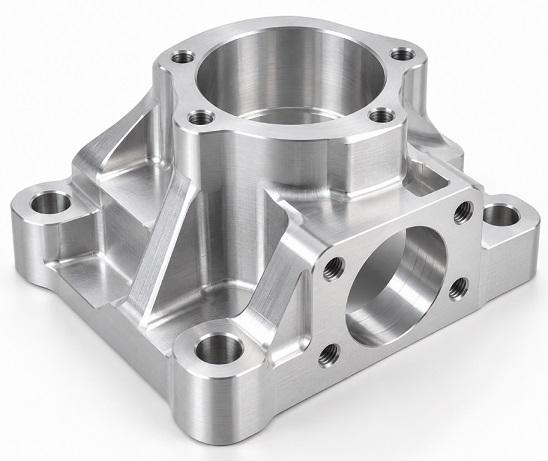
Aluminum alloys are widely used engineering materials that combine low density, high strength-to-weight ratio, corrosion resistance, and excellent manufacturing versatility. This article provides a comprehensive overview of aluminum alloys, including their types, common grades, temper designations, product forms, mechanical strength, hardness, thermal characteristics, electrical conductivity, corrosion resistance, and common applications.
What Is Aluminum Alloy?
An aluminum alloy is an alloy made by combining aluminum with other elements to improve its strength, hardness, corrosion resistance, machinability, and manufacturing performance. Although pure aluminum has excellent corrosion resistance, low density, and high electrical and thermal conductivity, it is relatively soft and has limited strength for many structural applications.
By adding elements such as magnesium, silicon, copper, zinc, and manganese, engineers can develop aluminum alloys with different mechanical and physical properties. One of the most widely used aluminum alloys is 6061 aluminum, which contains magnesium and silicon as its primary alloying elements. It offers a practical combination of strength, corrosion resistance, weldability, machinability, and availability. Another important grade is 7075 aluminum, which provides significantly higher strength and is commonly used in aerospace and other high-performance applications.
Aluminum alloys are widely used in aerospace engineering, automotive manufacturing, construction, electronics, marine equipment, packaging, and industrial machinery. Compared with steel, aluminum alloys generally have a much lower density, making them especially valuable when reducing component weight is important.
The properties of aluminum alloys depend on chemical composition, heat treatment, work hardening, product form, and manufacturing processes. Selecting the appropriate alloy and temper is therefore essential for achieving the required performance, service life, and production cost.
Properties of Aluminum Alloy
Aluminum alloys are known for their combination of low density, useful mechanical strength, corrosion resistance, and excellent manufacturing flexibility. These properties make them suitable for components that must remain lightweight without sacrificing structural performance.
- Low density: Aluminum alloys typically have a density of approximately 2.6–2.9 g/cm³, depending on composition. This makes them substantially lighter than steel, which generally has a density around 7.8–7.9 g/cm³.
- Corrosion resistance: Aluminum naturally forms a thin oxide layer that helps protect its surface from further oxidation. Some alloying elements, surface conditions, and environments can reduce corrosion resistance, so appropriate material selection is important.
- High strength-to-weight ratio: Certain aluminum alloys offer considerable strength relative to their weight, making them useful for transportation equipment, aerospace structures, and lightweight machinery.
- Good thermal conductivity: Aluminum alloys are commonly used in heat sinks, radiators, heat exchangers, and thermal management systems.
- Electrical conductivity: Aluminum conducts electricity well relative to its weight, making it useful in electrical transmission and selected electrical components.
- Formability and machinability: Many aluminum alloys can be rolled, extruded, formed, or machined efficiently. The ease of processing depends on the alloy and its temper.
- Recyclability: Aluminum can be recycled repeatedly, although collection, sorting, contamination, and alloy composition affect recycling quality and efficiency.
Important aluminum material properties include tensile strength, yield strength, elongation, modulus of elasticity, hardness, fatigue resistance, thermal conductivity, coefficient of thermal expansion, and electrical resistivity. These values vary considerably among alloy families and temper conditions.
Types of Aluminum Alloys
Aluminum alloys are commonly classified into wrought alloys and cast alloys. Wrought alloys are processed through rolling, extrusion, forging, or other mechanical forming operations, while cast alloys are produced by pouring or injecting molten metal into a mold.
Wrought aluminum alloys are further divided into eight principal series, designated 1xxx through 8xxx. Each series is associated with particular alloying elements and performance characteristics. The 2xxx, 6xxx, and 7xxx series are especially important for structural engineering, while the 5xxx series is widely used in marine and corrosion-resistant applications.
| Alloy Series | Main Alloying Element | Main Characteristics | Typical Grades |
|---|---|---|---|
| 1xxx Series | High-purity aluminum | Excellent conductivity and corrosion resistance; relatively low strength | 1050, 1100, 1350 |
| 2xxx Series | Copper | High strength and good fatigue performance in selected grades | 2014, 2024 |
| 3xxx Series | Manganese | Good formability, corrosion resistance, and moderate strength | 3003, 3105 |
| 4xxx Series | Silicon | Lower melting range in suitable compositions; useful for brazing and welding filler materials | 4045, 4047, 4032 |
| 5xxx Series | Magnesium | Good corrosion resistance and weldability in many grades | 5052, 5083, 5754 |
| 6xxx Series | Magnesium and silicon | Balanced strength, corrosion resistance, extrudability, and machinability | 6061, 6063, 6082 |
| 7xxx Series | Zinc, often with magnesium and copper | Very high strength in selected tempers | 7050, 7075 |
| 8xxx Series | Other elements | Specialized properties depending on composition | 8011, 8090 |
Aluminum alloys can also be classified by their strengthening mechanisms. Non-heat-treatable alloys are strengthened mainly through solid-solution strengthening and cold working. Heat-treatable alloys can be strengthened through solution heat treatment and precipitation aging, which produces fine particles that impede dislocation movement.
Wrought Aluminum Alloys
Wrought aluminum alloys are shaped through mechanical processes such as rolling, extrusion, forging, and drawing. These processes can refine the grain structure and produce sheet, plate, bar, tube, wire, and complex profiles.
Common wrought alloys include 6061, 6063, 5052, 2024, and 7075. Their characteristics vary by series: 6061 offers balanced engineering properties, 5052 provides good formability and corrosion resistance, and 7075 is selected when high strength is a priority.
Cast Aluminum Alloys
Cast aluminum alloys are manufactured by pouring molten metal into a mold or injecting it into a die under pressure. Casting is useful for producing complex shapes, integrated features, and parts that would require extensive machining if manufactured from solid stock.
Common casting alloy families include aluminum-silicon systems and aluminum-silicon-magnesium systems. Examples include A356 and A380, which are used in automotive housings, machinery components, pump bodies, and other complex parts. The exact properties depend on casting quality, porosity, heat treatment, and applicable specifications.
Wrought vs. Cast Aluminum Alloys
| Feature | Wrought aluminum alloy | Cast aluminum alloy |
|---|---|---|
| Manufacturing Process | Rolling, extrusion, forging, drawing | Sand casting, permanent-mold casting, die casting |
| Typical Applications | Structural profiles, plates, tubing, machined parts | Housings, brackets, engine components, complex geometries |
| Shape complexity | Depends on the forming process | Can accommodate complex internal and external features |
| Mechanical Properties | Often high and consistent when processing is controlled | Depend on alloy, casting method, porosity, and heat treatment |
| Production Economics | Efficient for standard stock and many formed products | Can be economical for complex parts and suitable production volumes |
Common Aluminum Alloy Grades
Aluminum alloy grades identify particular chemical compositions and help engineers select materials for specific operating conditions. In addition to the alloy designation, the temper designation is essential because it describes the condition produced by heat treatment, cold working, or other processing.
For example, 6061-T6 and 6061-O have the same basic alloy composition but significantly different mechanical properties. The T6 temper is solution heat-treated and artificially aged, while the O temper is annealed to provide a softer material with greater formability.
| Aluminum Grade | Alloy Family | Key Characteristics | Typical Applications |
|---|---|---|---|
| 1050 | 1xxx | High purity, excellent conductivity and formability | Electrical components, reflectors, chemical equipment |
| 2024 | 2xxx | High strength and fatigue performance in suitable conditions | Aircraft structures, aerospace components |
| 3003 | 3xxx | Good formability and corrosion resistance | Heat exchangers, tanks, sheet-metal products |
| 5052 | 5xxx | Good corrosion resistance and forming performance | Marine panels, fuel tanks, enclosures |
| 5083 | 5xxx | High strength among non-heat-treatable marine grades | Ship structures, pressure vessels, transport equipment |
| 5754 | 5xxx | Good corrosion resistance, formability, and weldability | Automotive panels, industrial sheet metal, and fabricated components |
| 6061 | 6xxx | Balanced strength, weldability, corrosion resistance, and machinability | Frames, brackets, structural components, machined parts |
| 6063 | 6xxx | Excellent extrusion and surface-finishing characteristics | Window frames, architectural profiles, heat sinks |
| 6082 | 6xxx | Good structural strength, machinability, and corrosion resistance | Structural components, machinery, and transportation equipment |
| 7075 | 7xxx | Very high strength and good machinability | Aerospace structures, precision components, sporting equipment |
| A356 | Cast Al-Si-Mg | Good castability and potential for good strength and ductility after suitable heat treatment | Structural castings, automotive components, and selected wheels |
| A380 | Cast Al-Si-Cu | Good high-pressure die-casting characteristics, dimensional capability, and practical strength | Motor housings, gearbox housings, equipment enclosures, and complex die-cast parts |
6061 Aluminum Alloy
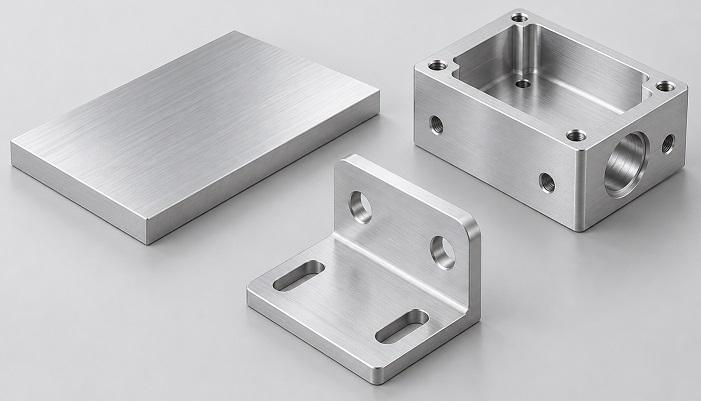
6061 aluminum alloy is one of the most widely used general-purpose aluminum alloys. It contains magnesium and silicon as its principal alloying elements and can be strengthened through precipitation hardening.
This alloy offers a useful balance of strength, corrosion resistance, machinability, weldability, and availability in common product forms. It is frequently supplied as plate, bar, tube, and extrusion. The T6 temper is popular for structural and machined components, although welding can reduce strength locally in the heat-affected zone.
7075 Aluminum Alloy
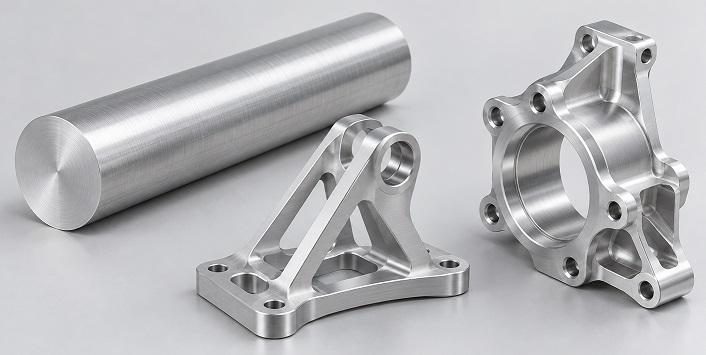
7075 aluminum alloy is a high-strength aluminum-zinc-magnesium alloy, often containing copper as well. Its high strength-to-weight ratio makes it particularly valuable for aerospace structures and other applications involving substantial mechanical loads.
Compared with 6061, 7075-T6 typically provides much higher tensile and yield strength, but it is generally less suitable for conventional fusion welding and can be more vulnerable to certain forms of corrosion. Depending on the environment and design requirements, overaged tempers such as T73 may be chosen to improve resistance to stress-corrosion cracking at the expense of some strength.
5052 Aluminum Alloy
5052 is a non-heat-treatable aluminum-magnesium alloy known for good corrosion resistance, formability, and weldability. It is widely used in sheet-metal products, fuel tanks, marine panels, equipment enclosures, and general fabrication.
Because 5052 responds primarily to work hardening rather than precipitation hardening, its properties depend on the amount of cold work represented by the temper. It is often a practical choice for formed components that require a good balance of durability and corrosion resistance.
A356 Aluminum Alloy
A356 is a widely used cast aluminum-silicon-magnesium alloy valued for its castability, corrosion resistance, and potential for good mechanical properties after suitable heat treatment. It is commonly used in sand-cast and permanent-mold castings where strength and ductility are important.
Typical applications include structural castings, automotive components, and selected wheels. Its final properties depend on the casting process, heat treatment, casting quality, and applicable material specification. For CNC-machined A356 components, porosity, dimensional requirements, and the condition of the casting should also be considered.
A380 Aluminum Alloy
A380 is a widely used aluminum-silicon-copper casting alloy, particularly for high-pressure die casting. It offers a practical balance of castability, strength, dimensional capability, and production efficiency, making it suitable for complex shapes and high-volume manufacturing.
Common applications include motor housings, gearbox housings, equipment enclosures, and other thin-walled die-cast components. When A380 parts require CNC machining, designers should account for casting porosity, wall thickness, machining allowances, and the possibility of exposing subsurface defects. Conventional solution heat treatment is generally not used for standard A380 high-pressure die castings because it can cause blistering or distortion.
Aluminum Temper Designations
An aluminum alloy grade describes its composition, while a temper designation identifies the condition produced by heat treatment, strain hardening, or other processing. The same alloy can have different mechanical properties depending on its temper.
| Temper | Meaning | Typical Characteristics |
|---|---|---|
| O | Annealed | Soft condition, generally high ductility and formability |
| F | As fabricated | Properties depend on manufacturing process |
| H | Strain-hardened | Strengthened by cold working, commonly used with non-heat-treatable alloys |
| T4 | Solution heat-treated and naturally aged | Strengthened by natural aging after solution treatment |
| T5 | Cooled from an elevated-temperature shaping process and artificially aged | Used for selected extruded or formed products |
| T6 | Solution heat-treated and artificially aged | Common high-strength condition for heat-treatable alloys |
| T651 | Solution heat-treated, stress-relieved by stretching, and artificially aged | Often used for plate products requiring improved dimensional stability |
| T6511 | T651-type treatment with applicable provisions for minor straightening after stretching | Used for selected extruded products, including certain bars and profiles, where dimensional control is important. |
| T73 | Overaged condition used for selected 7xxx alloys | Improved stress-corrosion resistance, usually with lower strength than T6 |
Examples of commonly encountered tempers include 5052-H32, 6061-T6, and 7075-T6.
Aluminum 6061-T6
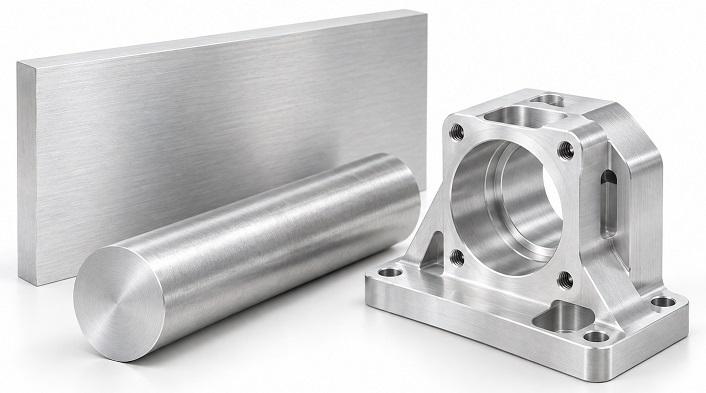
6061-T6 is a common temper for general engineering use. It provides a useful combination of strength, machinability, and corrosion resistance. It suits brackets, frames, machine components, structural supports, and many CNC-machined parts. Welding can locally alter its heat-treated properties, so welded assemblies may not retain the original parent-material strength throughout the heat-affected zone.
Aluminum 6061-T651
6061-T651 is commonly associated with plate products that have undergone solution heat treatment, stretching for stress relief, and artificial aging. Stress relief can reduce the tendency for distortion when significant amounts of stock are removed during machining. It can be useful for precision-machined blocks, fixtures, tooling plates, and components with demanding dimensional requirements.
Aluminum 7075-T6
7075-T6 is a high-strength temper used where substantial mechanical strength is required without the mass of steel components. It is common in aerospace-related parts, precision structural components, and performance equipment. Designers must also consider fatigue, stress corrosion, fracture behavior, and the operating environment.
Aluminum 5052-H32
5052-H32 is a widely used strain-hardened and stabilized temper of a non-heat-treatable aluminum alloy. It offers good corrosion resistance, formability, and useful strength for sheet-metal applications. Common uses include enclosures, panels, brackets, and formed components. Unlike 6061-T6, its mechanical properties are primarily developed through strain hardening rather than solution heat treatment and artificial aging.
Mechanical Properties of Aluminum Alloy
The mechanical properties of aluminum alloys are important considerations in structural design, transportation, machinery, and aerospace engineering. Although aluminum alloys have a lower density than steel, certain heat-treated grades can achieve high tensile strength and yield strength while offering significant weight savings. Other properties, including hardness, stiffness, elongation, and fatigue resistance, also influence material selection.
Mechanical performance depends on alloy composition, temper, product thickness, grain structure, forming history, and temperature. The properties measured on a thin sheet may differ from those measured on a thick plate or an extruded bar made from the same alloy.
Mechanical Properties of Common Aluminum Alloys
The following table provides representative reference values for selected aluminum alloys in commonly encountered tempers.
| Aluminum Alloy | Tensile Strength | Yield Strength | Elongation | Hardness | Density | Young's Modulus |
|---|---|---|---|---|---|---|
| 5052-H32 | 215–260 MPa | 160–200 MPa | 7–12% | 60–75 HBW | About 2.68 g/cm³ | About 70 GPa |
| 6061-T6 | 290–310 MPa | 240–276 MPa | 8–17% | 90–100 HBW | About 2.70 g/cm³ | About 69 GPa |
| 2024-T3 | 400–480 MPa | 270–350 MPa | 10–20% | 120–135 HBW | About 2.78 g/cm³ | About 73 GPa |
| 7075-T6 | 530–570 MPa | 470–505 MPa | 5–11% | 150–175 HBW | About 2.81 g/cm³ | About 72 GPa |
Tensile Strength
Tensile strength describes the maximum tensile stress a material withstands during a standardized tensile test before the load-carrying capacity begins to decline toward fracture. It is commonly expressed in megapascals (MPa).
Commercial-purity aluminum has relatively low tensile strength, whereas heat-treated grades such as 6061-T6 and 7075-T6 can achieve much higher values. The selection should reflect the complete loading condition, including stress concentrations, fatigue, impact, and the effect of joining operations.
Yield Strength
Yield strength indicates the stress at which a material begins to undergo permanent deformation, commonly measured using a specified offset method. It is particularly important when designing brackets, frames, pressure-containing components, and load-bearing structures that must retain their original shape.
The yield strength of a high-strength alloy can be substantially greater than that of a softer or annealed temper. Nevertheless, a high yield strength does not automatically guarantee good fracture toughness, fatigue life, or corrosion performance.
Hardness
Hardness describes a material's resistance to localized plastic deformation, commonly evaluated through indentation testing. Aluminum alloy hardness is often measured using the Brinell or Rockwell method, depending on the alloy, product form, thickness, and applicable test standard.
Hardness is useful for material verification, quality control, and comparing certain conditions of an alloy. It is influenced by composition, temper, heat treatment, and strain hardening. Although hardness can sometimes be correlated with tensile strength for a specific alloy and material condition, it should not be used as a universal substitute for tensile testing or as a direct measure of fracture toughness or wear resistance.
Young's Modulus
Young's modulus, also called the modulus of elasticity, measures a material's stiffness in the elastic range. Common aluminum alloys typically have a Young's modulus of approximately 69–72 GPa, roughly one-third that of steel.
As a result, an aluminum part may require a larger cross-section or a different geometry to achieve the same stiffness as a steel component. Designers often use ribs, hollow profiles, and optimized structural shapes to offset this limitation while retaining the advantages of low density.
Elongation
Elongation is a measure of how much a tensile specimen stretches before fracture, usually expressed as a percentage of its original gauge length. It provides an indication of ductility and helps engineers evaluate whether a material can accommodate plastic deformation during forming or under certain loading conditions.
Elongation varies with alloy, temper, specimen thickness, gauge length, and test direction. Softer tempers often provide greater elongation than stronger tempers of the same alloy, although the actual relationship depends on the material and processing condition. When comparing published values, use data measured under comparable test conditions.
Fatigue Strength
Fatigue strength describes resistance to repeated or fluctuating loads. It is especially important in aircraft structures, vehicle components, rotating machinery, and other parts exposed to cyclic stress.
Aluminum alloys do not generally exhibit the same clearly defined fatigue endurance limit often associated with some steels. Fatigue performance depends on stress amplitude, surface finish, notches, residual stress, corrosion, and the number of load cycles. Appropriate fatigue data and safety factors should be used for critical designs.
Aluminum Alloy Compared with Steel and Titanium
Comparing aluminum alloys with steel and titanium requires more than looking at tensile strength alone. Density, stiffness, fatigue behavior, corrosion resistance, manufacturing cost, and component geometry all affect material selection.
| Material | Density | Typical Tensile Strength | Young's Modulus | Main Consideration |
|---|---|---|---|---|
| Aluminum Alloy | 2.7–2.8 g/cm³ | 200–600 MPa depending on grade | 69–72 GPa | Low weight, good thermal and electrical conductivity, and versatile processing |
| Titanium Alloy | 4.4–4.5 g/cm³ | 800–1,200 MPa depending on grade | 100–120 GPa | High specific strength and excellent corrosion resistance in suitable environments |
| Steel Alloy | Approximately 7.8 g/cm³ | 400–2,000 MPa or more, depending on grade | 200–210 GPa | High stiffness, a broad strength range, and wide availability |
Aluminum is often preferred when reducing mass and improving thermal conductivity are important. Steel may be preferable where high stiffness, wear resistance, or lower material cost is critical. Titanium is attractive when high specific strength, corrosion resistance, or demanding service conditions justify its higher cost.
Thermal Properties of Aluminum Alloy
Aluminum alloys have useful thermal properties that support their widespread use in heat exchangers, electronics cooling systems, automotive components, and industrial equipment. Their relatively high thermal conductivity allows heat to move through the material efficiently.
Thermal performance varies with alloy composition, temper, temperature, and product condition. Alloying elements and strengthening precipitates can reduce thermal conductivity compared with high-purity aluminum, so the alloy with the highest mechanical strength is not necessarily the best choice for thermal management.
Important thermal properties of aluminum alloys include thermal conductivity, coefficient of thermal expansion (CTE), specific heat capacity, and melting temperature.
Thermal Conductivity
Thermal conductivity measures how effectively a material transfers heat. Many common aluminum alloys have thermal conductivity values of approximately 120–200 W/m·K, although specific grades and conditions can fall outside this range.
The high thermal conductivity of aluminum makes it suitable for heat sinks, cooling plates, heat exchangers, and electronic enclosures. For example, 6061 offers a useful balance between thermal conductivity, strength, machinability, and availability, while specialized aluminum grades may be selected when heat transfer is the dominant requirement.
| Aluminum Alloy | Thermal Conductivity |
|---|---|
| 1050 | 220–230 W/(m·K) |
| 5052 | 135–140 W/(m·K) |
| 6061 | 150–180 W/(m·K) |
| 6063 | 200–210 W/(m·K) |
| 7075 | 130–160 W/(m·K) |
Coefficient of Thermal Expansion
The coefficient of thermal expansion (CTE) describes the change in a material's dimensions as its temperature changes. Common aluminum alloys have a linear CTE of approximately 22–24 × 10⁻⁶/K near room temperature.
Because aluminum expands more than many steels when heated through the same temperature range, thermal expansion must be considered in precision equipment, long structural profiles, bolted assemblies, and components joined to dissimilar materials.
Specific Heat Capacity
Specific heat capacity indicates the amount of energy required to raise the temperature of a unit mass of material by one degree. Aluminum has a specific heat capacity of approximately 900 J/kg·K near room temperature.
This property affects how quickly an aluminum component heats up or cools down under a given heat input. In combination with high thermal conductivity and low density, it makes aluminum useful for systems requiring efficient heat distribution and relatively low component mass.
Melting Range
Pure aluminum melts at approximately 660°C, but aluminum alloys generally melt over a temperature range rather than at a single point. The melting range is important for casting, welding, brazing, and other high-temperature processes. It should not be confused with the maximum recommended operating temperature: many aluminum alloys lose strength well before reaching their melting range.
Summary of Aluminum Thermal Properties
| Thermal Property | Typical Value | Importance |
|---|---|---|
| Thermal Conductivity | 120–200 W/m·K for many common alloys | Controls heat transfer through the component |
| Coefficient of Thermal Expansion | 22–24 × 10⁻⁶/K | Predicts dimensional change with temperature |
| Specific Heat Capacity | Approximately 900 J/kg·K | Measures the heat needed to increase temperature |
| Melting Temperature | 477–660°C across many common alloys and pure aluminum | Relevant to casting, joining, and high-temperature exposure |
Electrical Properties of Aluminum Alloy
The electrical properties of aluminum alloys are important in power transmission, electrical equipment, electronics, and industrial applications. Aluminum offers good electrical conductivity combined with low density, making it an attractive alternative to copper in applications where weight reduction is important. However, electrical conductivity varies with alloy composition, temper, processing history, and temperature.
Although high-purity aluminum provides excellent electrical conductivity, alloying elements added to improve strength and other mechanical properties generally increase electrical resistivity.
| Aluminum Alloy | Electrical Conductivity | Electrical Resistivity |
|---|---|---|
| 1050-H14 | 35–36 MS/m | 28–29 nΩ·m |
| 5052-H32 | 20–21 MS/m | 48–50 nΩ·m |
| 6061-T6 | 24–25 MS/m | 40–42 nΩ·m |
| 6063-T5 | 30–32 MS/m | 31–33 nΩ·m |
| 7075-T6 | 19–20 MS/m | 50–53 nΩ·m |
Note: Values are approximate engineering references at room temperature (near 20°C).
Electrical Conductivity
Electrical conductivity describes how easily an electric current passes through a material. It is commonly expressed in megasiemens per meter (MS/m). Aluminum has good electrical conductivity, although it is less conductive than copper on an equal cross-sectional-area basis. Because aluminum has a much lower density than copper, it can offer advantages in conductor weight when the component is designed to meet the required electrical and mechanical performance.
The conductivity of aluminum alloys depends on their chemical composition and metallurgical condition. Commercially pure aluminum generally provides higher conductivity than many structural aluminum alloys because alloying elements and strengthening precipitates can impede electron movement. For this reason, high-strength alloys such as 6061-T6 and 7075-T6 generally have lower electrical conductivity than high-purity aluminum grades.
Electrical Resistivity
Electrical resistivity measures how strongly a material opposes the flow of electric current. It is commonly expressed in ohm-meters (Ω·m) or micro-ohm-centimeters (μΩ·cm). Conductivity and resistivity are inversely related: a material with lower resistivity has higher electrical conductivity under the same conditions.
The electrical resistance of aluminum generally increases as its temperature rises over the normal operating range.
Corrosion Resistance of Aluminum Alloy
Corrosion resistance is an important consideration when selecting aluminum alloys for construction, transportation, marine equipment, industrial machinery, and outdoor applications. Aluminum naturally forms a thin oxide layer when exposed to oxygen. This layer helps protect the underlying metal from further corrosion under many ordinary environmental conditions.
However, the corrosion resistance of aluminum alloys varies with alloy composition, temper, surface condition, environmental exposure, and manufacturing history. Chlorides, extreme pH conditions, moisture retention, and contact with dissimilar metals can increase corrosion risk. Appropriate surface treatments, such as anodizing, conversion coatings, and protective painting, can further improve corrosion protection in demanding service environments.
| Aluminum Alloy | General Corrosion Resistance |
|---|---|
| 1050-H14 | Generally excellent in many ordinary environments |
| 5052-H32 | Generally very good |
| 6061-T6 | Generally good |
| 2024-T3 | More susceptible to certain forms of localized corrosion |
| 7075-T6 | More susceptible to certain forms of localized corrosion |
Natural Oxide Layer
When aluminum is exposed to air, it rapidly develops a thin, adherent oxide film that acts as a barrier between the metal and its surroundings. In suitable environments, this passive film can limit further oxidation and contribute to the durability of aluminum components.
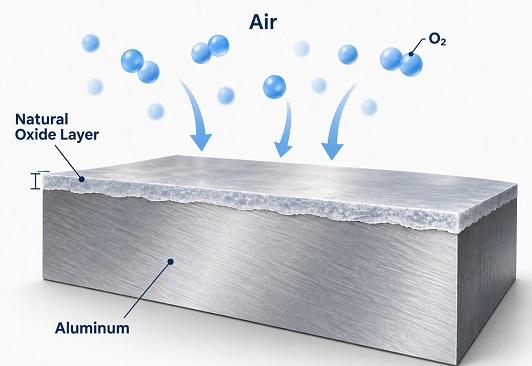
The protective effect of the oxide layer is not unlimited. Chloride-containing environments, including seawater and deicing salt exposure, can promote localized corrosion such as pitting. Strongly acidic or alkaline conditions may also damage the protective film. Surface damage, deposits, and confined gaps can create conditions that make corrosion more likely.
Surface Treatments
Surface treatments can improve the appearance, corrosion resistance, and functional performance of aluminum alloy components.
-
Anodizing
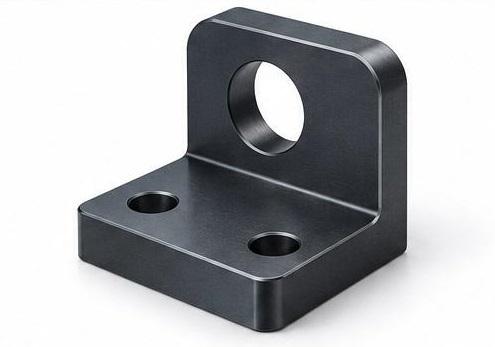
Anodizing is an electrochemical process that thickens the naturally occurring oxide layer on aluminum. It can improve surface wear resistance and provide a suitable base for coloring or sealing. Anodized finishes are widely used in architectural profiles, consumer electronics, and decorative components.
-
Powder coating
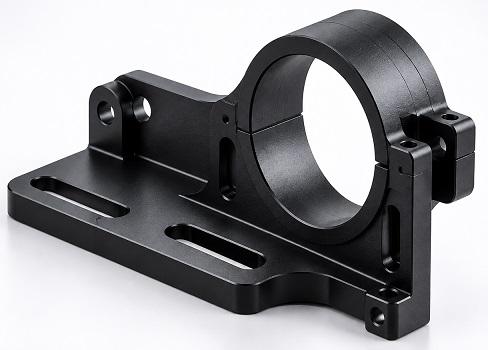
Powder coating applies a dry coating material that is cured to create a continuous protective finish. It offers a wide selection of colors and textures and is commonly used for architectural profiles, furniture, equipment housings, and outdoor products. Pretreatment and coating quality are important for long-term adhesion and corrosion protection.
-
Painting
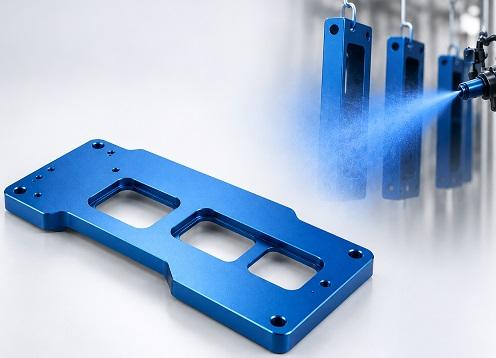
Liquid paint systems provide color, branding, and environmental protection. Depending on the exposure conditions, the coating system may include cleaning, conversion treatment, primer, and a topcoat. Proper surface preparation is essential to reduce peeling and premature coating failure.
-
Polishing and brushing
Mechanical polishing can create a smooth or reflective surface, while brushing produces a directional satin appearance. These processes are often used for consumer products, decorative panels, furniture, and architectural features.
-
Conversion coatings
Chemical conversion treatments modify the aluminum surface to improve corrosion resistance or provide a suitable base for paint and adhesive bonding. The process must be selected according to the alloy and applicable environmental requirements.
Magnetic Properties of Aluminum Alloy
Aluminum and common aluminum alloys are generally classified as non-ferromagnetic materials. Unlike iron, cobalt, and many steels, they are not strongly attracted to ordinary permanent magnets and do not retain significant permanent magnetization under normal conditions. At room temperature, aluminum exhibits weak paramagnetic behavior, meaning that its response to an applied magnetic field is small.
Although aluminum alloys are not ferromagnetic, their electrical conductivity allows them to interact with changing magnetic fields. When exposed to a time-varying magnetic field or relative motion between a conductor and a magnetic field, aluminum can develop eddy currents that produce opposing magnetic effects. This behavior is relevant to electromagnetic braking, induction heating, and certain nondestructive testing methods.
The non-ferromagnetic nature of aluminum alloys can be advantageous in applications involving magnetic equipment, lightweight enclosures, and components where strong magnetic attraction is undesirable.
Common Forms of Aluminum Alloy
Aluminum alloys are available in various product forms to meet different manufacturing, machining, and structural requirements. Common forms include sheets, plates, bars, tubes, extrusions, forgings, and castings.
-
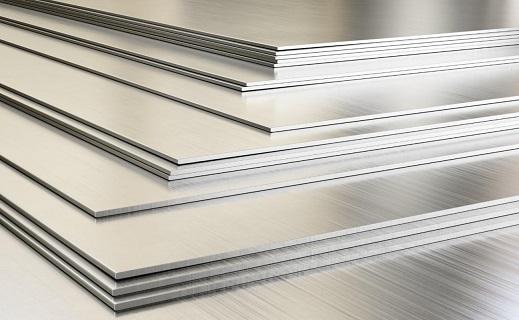
Aluminum Sheet
Aluminum sheet is a relatively thin, flat product that offers good formability in suitable alloys and tempers. It is widely used in automotive body panels, equipment enclosures, roofing, and sheet-metal components. Common grades include 3003 and 5052.
-
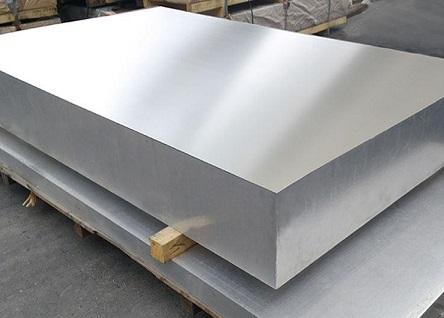
Aluminum Plate
Aluminum plate is thicker than sheet and is commonly used for structural components, tooling plates, machine bases, fixtures, and CNC-machined parts. Grades such as 6061-T651 and 7075-T651 are selected when strength and dimensional stability are important.
-
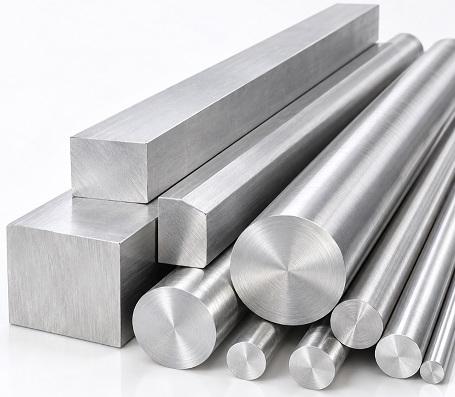
Aluminum Bar and Rod
Aluminum bars and rods are available in round, square, rectangular, and other solid cross-sections. They are common starting materials for turning, milling, drilling, and other machining operations. Typical grades include 6061, 7075, and 2024.
-
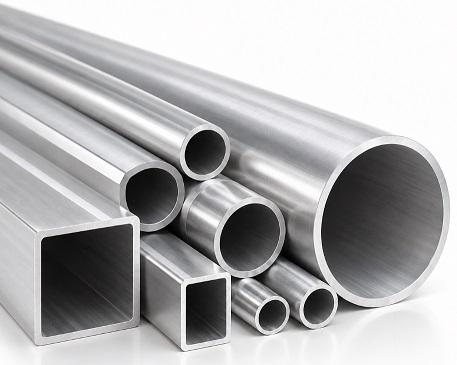
Aluminum Tube and Pipe
Aluminum tubes and pipes have hollow cross-sections that can reduce component weight while providing useful structural support or fluid-carrying capacity. They are used in frames, heat exchangers, fluid-handling systems, and mechanical structures. Common grades include 6061, 6063, and 5052, depending on the application.
-
Aluminum Extrusions
Aluminum extrusions are produced by forcing aluminum alloy through a die to create specific cross-sectional shapes, including channels, angles, T-slot profiles, and heat-sink fins. Grades such as 6061, 6063, and 6082 are commonly used for structural frames, architectural profiles, mounting systems, and industrial equipment.
-
Aluminum Forgings
Aluminum forgings are shaped under compressive force and are used for components requiring suitable strength and structural integrity. Depending on the alloy and forging process, they can be used in aerospace structures, automotive parts, load-bearing components, and high-performance machinery. Common alloys include 2014, 2024, and selected 6xxx and 7xxx series grades.
-
Aluminum Castings
Aluminum castings are produced by pouring or injecting molten aluminum alloy into a mold. Casting is suitable for complex geometries, integrated features, and parts that would require extensive machining from solid stock. Common casting alloys include A356 and A380, which are used in automotive components, pump bodies, motor housings, and equipment enclosures.
The appropriate aluminum product form depends on component geometry, mechanical requirements, production volume, and manufacturing method. Sheets are commonly selected for formed panels, while plates and solid bars are widely used for CNC machining. Tubes and extrusions support lightweight structural designs, whereas forgings and castings are useful for components with specialized shapes or performance requirements.
Applications of Aluminum Alloy
Aluminum alloys are used across many industries because they combine low density with useful strength, corrosion resistance, conductivity, and manufacturing flexibility.
These are some common applications of aluminum alloys:
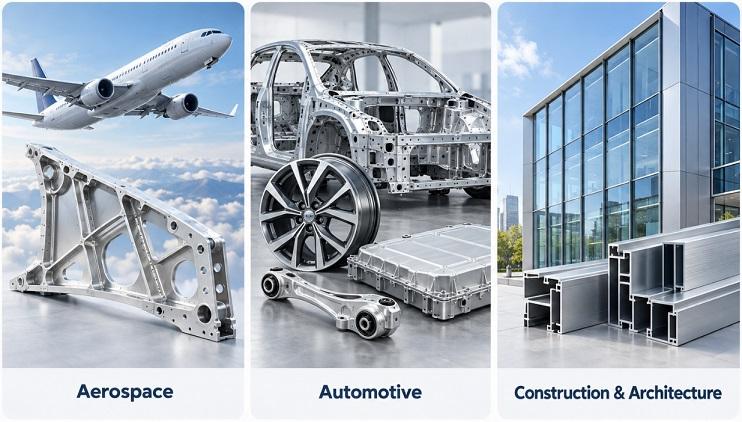
- Aerospace: High-strength alloys such as 2024 and 7075 are used in selected aircraft structures and components. Their strength-to-weight ratio helps reduce mass while supporting demanding mechanical requirements.
- Automotive: Engine components, body panels, suspension parts, wheels, battery enclosures, and structural components can use aluminum alloys to reduce vehicle mass.
- Construction and architecture: Common 6xxx series alloys are widely used in window frames, curtain walls, railings, structural profiles, and building components. Their extrudability and corrosion resistance make them useful for architectural designs.
- Marine equipment: Suitable aluminum-magnesium alloys are used for boat structures, marine platforms, and selected offshore equipment.
- Electronics and electrical equipment: Aluminum alloys are used in electronic enclosures, heat sinks, cooling plates, and LED housings. Their thermal conductivity helps transfer heat away from sensitive components, while their low mass supports compact designs.
- Consumer electronics: Laptop housings, phone frames, camera bodies, and heat-dissipation components may use aluminum alloys.
- Industrial machinery: 6061 aluminum is frequently selected for machine frames, fixtures, mounting brackets, automation equipment, and precision-machined components. Higher-strength alloys may be used when greater load capacity is required.
Manufacturing and Machining of Aluminum Alloy
Aluminum alloys are widely used in manufacturing because they can be processed through CNC machining, cutting, drilling, milling, turning, extrusion, forming, and welding.
CNC Machining
Aluminum is generally easier to machine than many high-strength steels and titanium alloys. Its relatively low cutting forces and good machinability can support high production rates and efficient material removal.
Grades such as 6061 and 7075 are widely used for CNC-machined components. 6061 offers a balanced combination of machinability, weldability, and corrosion resistance, while 7075 is attractive when high strength is required.
Welding
Many aluminum alloys can be welded using processes such as gas tungsten arc welding, gas metal arc welding, and friction stir welding.
However, not all aluminum alloys are equally weldable. Welding can reduce the strength of heat-treated alloys, while some high-strength alloys, such as 7075, are more susceptible to cracking and other welding-related defects.
Forming and Extrusion
Aluminum alloys can be rolled into sheet and plate, extruded into profiles, forged into structural components, or drawn into tubing and wire. Softer tempers usually offer better formability, while high-strength tempers may require more careful bending radii and forming procedures.
Alloys such as 6063 are especially popular for extrusion because they can produce complex profiles with good surface finish.
Conclusion
Aluminum alloy is an important engineering material that combines low density, useful strength, corrosion resistance, thermal conductivity, and manufacturing flexibility. Its wide range of alloy series and temper conditions allows engineers to tailor material performance to applications in aerospace, automotive manufacturing, construction, marine equipment, electronics, and industrial machinery.
Different aluminum alloys serve different purposes. 6061 is a versatile general-purpose grade, 7075 offers very high strength, 5052 provides good formability and corrosion resistance, and 6063 is especially useful for extrusion and architectural profiles. Other grades are available for electrical conductivity, specialized forming, casting, and high-performance applications.
Understanding alloy classification, temper designations, mechanical strength, hardness, thermal properties, corrosion behavior, and manufacturing limitations is essential for choosing the right material. By balancing these factors with cost and service requirements, manufacturers can develop aluminum components that are lightweight, durable, and suitable for their intended operating environment.