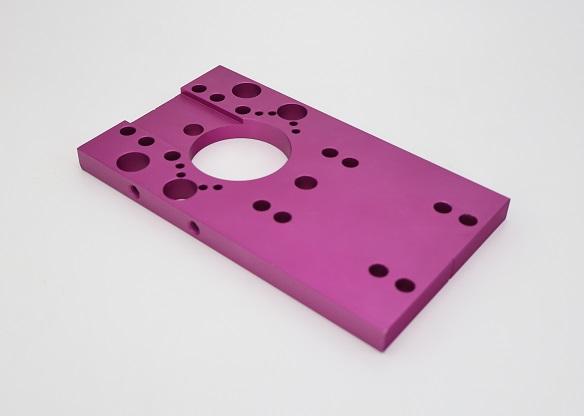
This article provides a comprehensive overview of anodized aluminum, explaining what it is, how it is made, its advantages, applications, colors, finishes, durability, safety, and comparisons with other materials.
What is anodized aluminum?
Anodized aluminum is aluminum that has been treated through an electrochemical process called anodizing to create a thicker and more durable oxide layer on its surface. Unlike ordinary aluminum, which naturally forms a thin oxide coating when exposed to air, anodized aluminum has a controlled oxide layer that provides enhanced protection, improved appearance, and better performance.
The anodizing process does not add a separate coating to the aluminum surface. Instead, it transforms the outer layer of aluminum into a hard aluminum oxide layer that becomes part of the metal itself. This makes anodized aluminum highly resistant to corrosion, scratches, and environmental damage.
The main components involved in anodized aluminum include:
- Aluminum substrate: The base metal that provides strength, lightweight properties, and structural support.
- Aluminum oxide layer: A protective surface layer created during anodizing that improves hardness and corrosion resistance.
- Color pigments or dyes: Optional materials absorbed into the porous oxide layer to create different anodized aluminum colors.
- Sealing layer: A treatment that closes the pores of the oxide layer to improve durability and resistance to stains and corrosion.
Because the anodized layer is integrated with the aluminum surface, it will not peel or flake like traditional paint coatings. This makes anodized aluminum widely used in architecture, electronics, automotive parts, consumer products, and industrial applications.
Anodized vs non-anodized aluminum
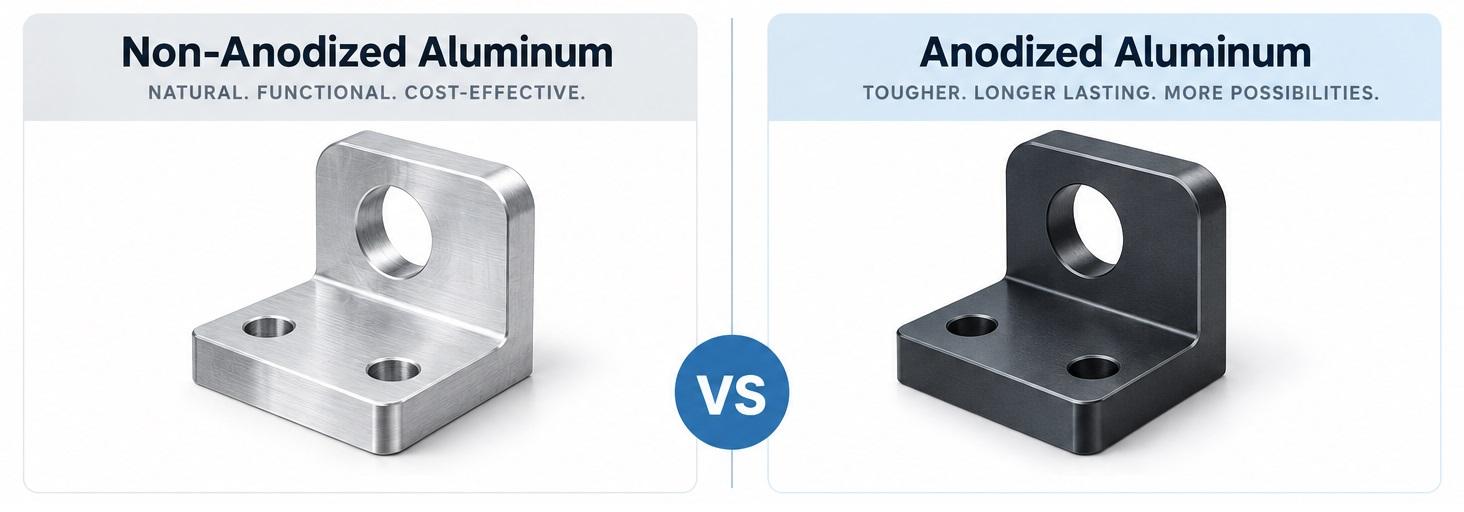
The main difference between anodized aluminum and non-anodized aluminum is the condition of the surface layer. Non-anodized aluminum only has a naturally occurring oxide layer, while anodized aluminum has a deliberately strengthened oxide layer created through an electrochemical treatment.
Although both materials are lightweight and corrosion-resistant compared with many other metals, anodized aluminum offers improved surface performance.
| Feature | Anodized aluminum | Non-anodized aluminum |
|---|---|---|
| Surface protection | Has a thicker aluminum oxide layer that provides better protection | Only has a thin natural oxide layer |
| Scratch resistance | Higher resistance due to hardened oxide surface | More easily scratched or marked |
| Corrosion resistance | Excellent resistance in outdoor and industrial environments | Moderate resistance but may oxidize faster |
| Appearance | Available in many finishes and colors | Usually maintains natural aluminum appearance |
| Maintenance | Requires less maintenance | May require polishing or protective treatments |
| Cost | Usually more expensive because of additional processing | Lower initial cost |
For applications where appearance, durability, and long-term performance are important, anodized aluminum is usually preferred. Non-anodized aluminum may still be suitable for indoor applications or projects where surface treatment is unnecessary.
Applications of anodized aluminum
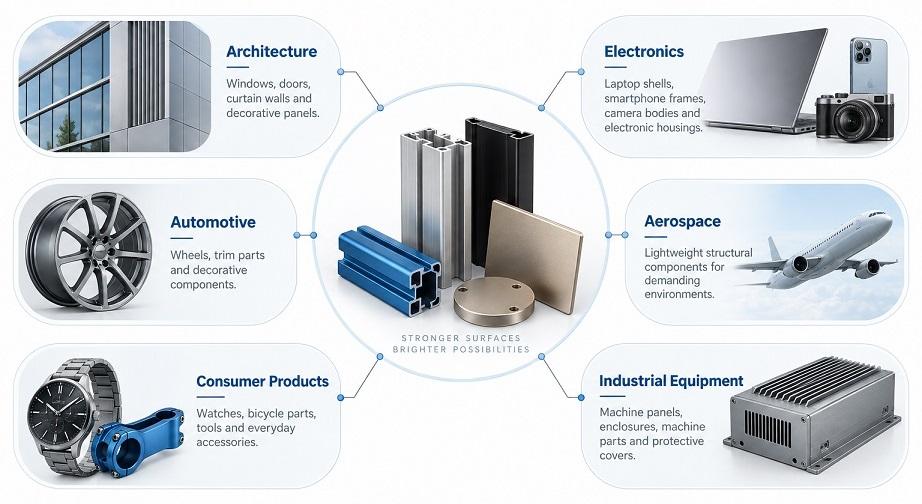
Due to its combination of lightweight properties, durability, appearance, and corrosion resistance, anodized aluminum is used in many industries.
- Architecture: Windows, doors, curtain walls, roofing systems, and decorative panels.
- Electronics: Laptop cases, smartphone parts, cameras, and electronic housings.
- Automotive: Interior trims, wheels, engine components, and decorative parts.
- Aerospace: Lightweight structural components.
- Consumer products: Watches, bicycles, tools, and accessories.
- Industrial equipment: Machine parts, panels, and protective covers.
The flexibility of anodized aluminum finishes allows designers and engineers to combine functionality with attractive appearance.
Types of anodized aluminum finishes
Anodized aluminum finishes provide both decorative appearance and improved surface protection. Different finishes are created through surface preparation methods and anodizing techniques.
| Anodized aluminum finish | Appearance | Characteristics | Common applications |
|---|---|---|---|
| Natural anodized aluminum | Silver metallic appearance | Maintains the original aluminum look with improved protection | Windows, doors, architectural frames |
| Matte anodized aluminum | Smooth non-reflective surface | Modern appearance and reduced fingerprints | Electronics and decorative panels |
| Brushed anodized aluminum | Linear textured appearance | Premium decorative finish | Appliances, furniture, consumer products |
| Polished anodized aluminum | Bright reflective surface | High visual appeal | Luxury products and decorative parts |
| Colored anodized aluminum | Multiple color options | Decorative color combined with durability | Consumer products and custom designs |
Anodized aluminum colors
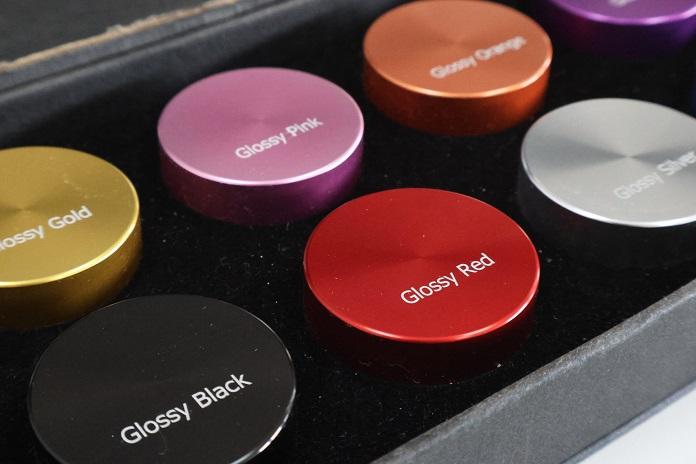
One of the major advantages of anodized aluminum is the ability to create a wide range of colors while maintaining the natural metallic appearance of aluminum. Unlike painted surfaces, anodized colors become part of the oxide layer, providing better resistance to fading and wear.
Common anodized aluminum colors include:
| Anodized aluminum color | Common applications |
|---|---|
| Natural silver anodized aluminum | Architectural frames, windows, doors, and industrial components |
| Black anodized aluminum | Electronics, cameras, automotive parts, and luxury products |
| Red anodized aluminum | Decorative parts, bicycles, tools, and consumer products |
| Blue anodized aluminum | Sports equipment, electronics, and custom designs |
| Purple anodized aluminum | Specialty products and decorative applications |
| Orange anodized aluminum | Safety equipment, outdoor products, and custom parts |
| Pink anodized aluminum | Fashion accessories, personalized products, and decorative items |
| Gold anodized aluminum | Architectural decoration and premium consumer products |
Anodized aluminum white is more challenging to produce because aluminum oxide naturally has a metallic appearance. White anodized finishes usually require specialized processes, surface treatments, or alternative coating technologies to achieve a true white appearance.
Colored anodized aluminum is popular because it combines attractive appearance with excellent durability. Popular options include red anodized aluminum, orange anodized aluminum, blue anodized aluminum, purple anodized aluminum, and other custom colors.
How to anodize aluminum?
Aluminum anodizing is normally performed in industrial facilities because it requires controlled chemical solutions, electrical equipment, and safety procedures. The process involves converting the aluminum surface into a protective oxide layer rather than simply applying a coating.
Aluminum anodizing works by using an electrochemical reaction to increase the natural aluminum oxide layer on the metal surface. During the process, aluminum acts as the anode in an electrolytic cell, which is where the term "anodizing" originates.
The basic industrial anodizing process includes:
- Surface preparation: Aluminum parts are cleaned and treated to remove contaminants and create the desired surface texture.
- Electrolyte bath: The aluminum part is submerged in an acid electrolyte solution, commonly sulfuric acid.
- Electrical current: A controlled electric current passes through the solution, causing oxygen ions to react with aluminum and form aluminum oxide.
- Color treatment: The porous oxide layer can absorb dyes to create different anodized aluminum colors.
- Sealing: The surface pores are sealed to improve durability and corrosion resistance.
The final characteristics of anodized aluminum depend on factors such as alloy type, voltage, temperature, electrolyte concentration, and processing time.
What metals can be anodized?
Although aluminum is the most commonly anodized metal, several other metals can also undergo anodizing treatments. Each metal produces different oxide layers and is suitable for different applications.
| Metal | Can it be anodized? | Characteristics after anodizing | Common applications |
|---|---|---|---|
| Aluminum | Yes (most common) | Creates a hard aluminum oxide layer with excellent corrosion resistance | Architecture, electronics, automotive, consumer products |
| Titanium | Yes | Produces colorful oxide layers without dyes | Medical devices, jewelry, aerospace components |
| Magnesium | Yes | Improves corrosion resistance but requires specialized treatment | Aerospace and industrial components |
| Niobium | Yes | Creates decorative oxide colors through electrical oxidation | Jewelry and specialty products |
| Zirconium | Yes | Forms protective oxide surfaces for specialized uses | Advanced industrial applications |
Among all anodizable metals, aluminum remains the most widely used because aluminum oxide provides an excellent combination of hardness, stability, corrosion resistance, and decorative possibilities.
Stainless steel vs anodized aluminum: Which is better?
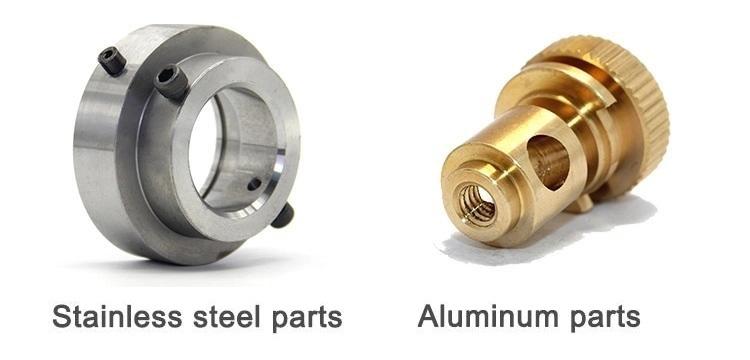
Both stainless steel and anodized aluminum are durable materials, but they have different advantages. The better choice depends on the application requirements.
| Feature | Anodized aluminum | Stainless steel |
|---|---|---|
| Weight | Very lightweight | Heavier |
| Corrosion resistance | Excellent in many environments | Excellent, especially marine and industrial grades |
| Strength | Good strength-to-weight ratio | Generally stronger |
| Appearance | Many colors and finishes available | Mostly metallic finishes |
| Cost | Usually lower | Usually higher |
| Weight-sensitive applications | Excellent choice | Less suitable |
Anodized aluminum is often preferred for lightweight designs, electronics, architectural products, and consumer goods. Stainless steel is commonly selected where maximum strength, heat resistance, or extreme durability is required.
How to anodize aluminum at home?
It is possible to perform small-scale aluminum anodizing at home, but the process requires careful handling of chemicals and electricity. Home anodizing is generally suitable only for hobby projects and small aluminum parts.
Basic materials may include:
- Aluminum parts to be anodized.
- An electrolyte solution.
- A suitable power supply.
- A container resistant to the electrolyte.
- Cleaning and surface preparation materials.
A simplified home anodizing process involves:
- Clean the aluminum part thoroughly to remove oil and dirt.
- Prepare the electrolyte solution using appropriate safety precautions.
- Connect the aluminum part as the anode and complete the electrical circuit.
- Allow the oxide layer to form under controlled conditions.
- Add dye if a colored anodized finish is desired.
- Seal the surface after coloring.
Because anodizing involves chemicals and electrical equipment, commercial anodizing services are recommended for products requiring consistent quality, durability, or certification.
How to tell if aluminum is anodized?
Identifying whether aluminum has been anodized can be useful when selecting materials or evaluating existing products. Several methods can help determine if a surface has an anodized finish.
Common ways to identify anodized aluminum include:
- Surface appearance: Anodized aluminum often has a uniform matte or satin appearance compared with untreated aluminum.
- Scratch testing: The anodized layer is harder than ordinary aluminum and usually resists light scratches better.
- Color inspection: Colored aluminum surfaces are often anodized because the color is integrated into the oxide layer.
- Surface thickness testing: Professional tools can measure the thickness of the oxide layer.
- Chemical testing: Industrial testing methods can confirm whether an oxide coating exists.
A simple visual inspection can provide clues, but professional testing is required when exact anodizing specifications are important.
Is anodized aluminum safe?
Anodized aluminum is generally considered safe for most everyday applications because the anodizing process creates a stable aluminum oxide layer that is tightly bonded to the metal surface. Unlike paint or other surface coatings, the anodized layer does not easily peel, crack, or release particles during normal use.
Anodized aluminum is widely used in products and environments where safety and durability are important, including:
- Food and beverage equipment.
- Kitchen accessories.
- Medical and laboratory equipment.
- Consumer electronics.
- Architectural structures.
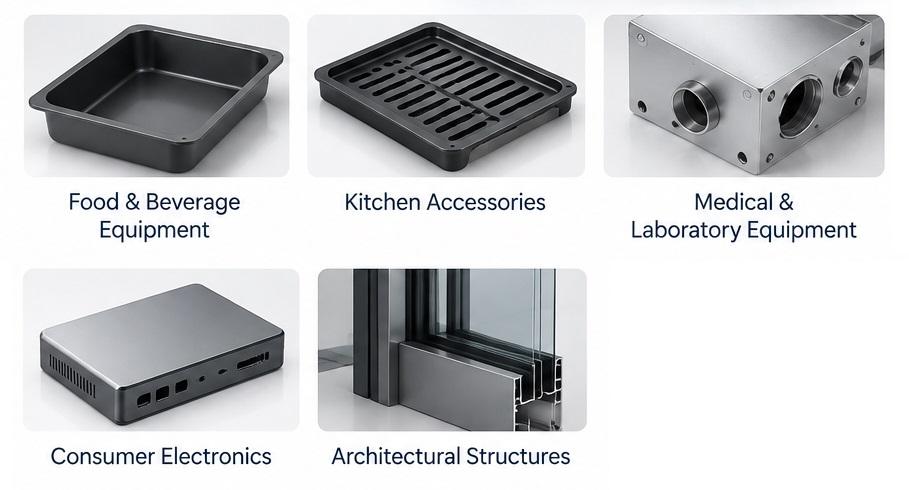
The safety of anodized aluminum depends on factors such as the quality of the anodizing process, the alloy composition, and whether the product is designed for food contact or industrial use.
High-quality anodized aluminum products made according to appropriate standards are considered suitable for many applications. However, products intended for food or beverage use should always be manufactured specifically for that purpose.
Is it safe to drink out of anodized aluminum?
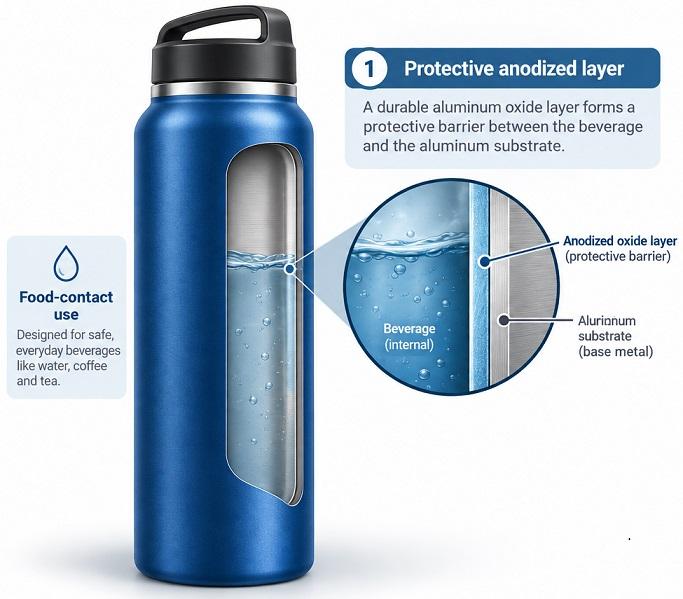
Drinking from anodized aluminum containers is generally considered safe when the aluminum has been properly anodized and manufactured for food contact use.
The anodized oxide layer acts as a protective barrier between the aluminum metal and the liquid inside the container. This reduces direct contact between the aluminum substrate and beverages.
Benefits of using anodized aluminum drinkware include:
- Lightweight construction compared with stainless steel.
- Improved corrosion resistance.
- Reduced metallic taste compared with untreated aluminum.
- Durable and scratch-resistant surface.
However, heavily damaged anodized surfaces may lose some protective properties. For this reason, containers with deep scratches, peeling surfaces, or damaged finishes should be replaced.
Food-grade anodized aluminum products are commonly used for bottles, cookware, camping equipment, and beverage containers.
How long will anodized aluminum last?
The lifespan of anodized aluminum depends on the anodizing thickness, environment, maintenance, and application. Under normal conditions, high-quality anodized aluminum can last for decades.
Typical lifespan expectations include:
- Indoor applications: More than 20 years with minimal maintenance.
- Outdoor architectural applications: Often 20 to 50 years depending on climate conditions.
- Industrial components: Can last many years when properly specified and maintained.
Factors that affect anodized aluminum lifespan include:
- Thickness of the anodized layer.
- Exposure to salt water or harsh chemicals.
- UV exposure.
- Cleaning methods.
- Quality of the anodizing process.
Properly anodized aluminum generally maintains its appearance and protective properties much longer than painted aluminum surfaces.
Does anodized aluminum rust?
No, anodized aluminum does not rust. However, under extremely harsh conditions, the anodized layer can become damaged, allowing corrosion of the underlying aluminum to occur.
Situations that may affect anodized aluminum include:
- Long-term exposure to strong acids or alkalis.
- Marine environments with high salt concentration.
- Mechanical damage that removes the anodized layer.
- Poor-quality anodizing processes.
For most everyday applications, anodized aluminum provides excellent corrosion resistance.
Is anodized aluminum conductive?
Anodized aluminum has different electrical properties compared with untreated aluminum. The aluminum metal underneath remains electrically conductive, but the aluminum oxide layer created through anodizing acts as an electrical insulator.
Therefore, anodized aluminum is generally considered to have reduced surface conductivity.
This property can be useful in applications where electrical isolation is required, such as:
- Electronic housings.
- Electrical components.
- Consumer electronics.
- Industrial equipment.
However, if electrical grounding is required, manufacturers may leave specific areas untreated or remove the anodized layer at connection points.
Conclusion
Anodized aluminum is a versatile material that combines the lightweight advantages of aluminum with improved durability, corrosion resistance, and decorative possibilities. Through the anodizing process, aluminum develops a strong oxide layer that enhances performance while allowing a wide variety of finishes and colors.
From architectural structures and electronics to cookware and consumer products, anodized aluminum continues to be a popular choice because it provides long-lasting performance with minimal maintenance.
Understanding anodized aluminum finishes, colors, safety, conductivity, and durability helps manufacturers, designers, and consumers choose the right aluminum solution for their specific needs.