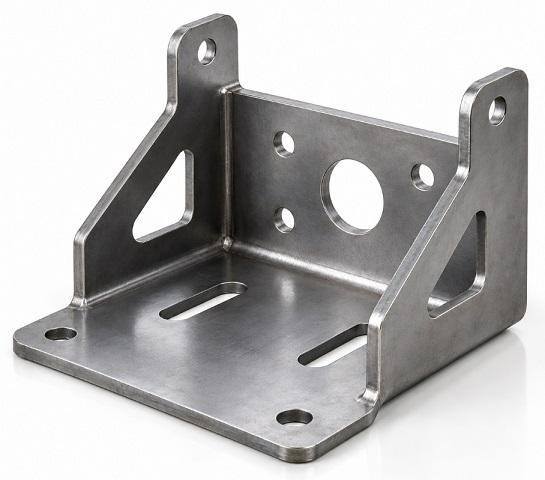
Steel is one of the most widely used engineering materials in the world, valued for its high strength, durability, versatility, and excellent manufacturing adaptability. This article provides a comprehensive overview of steel, including its types, common grades, heat treatment, mechanical properties, thermal characteristics, electrical properties, corrosion resistance, and common applications.
What Is Steel?
Steel is an iron-based alloy containing carbon and, depending on the grade, additional elements such as chromium, nickel, manganese, molybdenum, silicon, and vanadium. Carbon is one of the most important alloying elements because it strongly influences steel's hardness, strength, ductility, weldability, and heat-treatment response.
Unlike commercially pure iron, steel can be engineered to provide a broad range of mechanical properties. Low-carbon steel is generally ductile, formable, and relatively easy to weld, while high-carbon steel and alloy steel can achieve greater hardness, wear resistance, and strength through appropriate processing. Stainless steel contains sufficient chromium to develop a protective passive surface film under suitable conditions, improving its resistance to corrosion.
The properties of steel depend on its chemical composition, manufacturing route, microstructure, heat treatment, and final product form. For example, mild steel is commonly used for fabricated structures, stainless steel is selected for corrosion-resistant equipment, and tool steel is designed to withstand demanding cutting, forming, or wear conditions.
Steel is widely used in construction, automotive manufacturing, aerospace equipment, energy infrastructure, shipbuilding, industrial machinery, medical equipment, and consumer products. Its combination of strength, stiffness, availability, recyclability, and manufacturing flexibility makes it a fundamental material in modern engineering.
Properties of Steel
Steel offers a broad combination of physical, mechanical, and chemical properties. Although individual grades can behave very differently, steel generally provides a strong and versatile foundation for structural and industrial applications.
- High mechanical strength: Many steel grades can withstand substantial tensile, compressive, and bending loads, making them suitable for buildings, bridges, machinery, and load-bearing components.
- Adjustable hardness: Steel hardness can be modified through carbon content, alloying, cold working, quenching, tempering, and other heat treatment processes.
- Good toughness: Properly selected steel can absorb energy and resist fracture under impact or dynamic loading.
- Excellent manufacturability: Steel can be produced through rolling, forging, casting, machining, stamping, welding, and other industrial processes.
- Wide range of corrosion resistance: Carbon steel generally requires protection in corrosive environments, while stainless steel and certain alloy steels offer improved resistance.
- Good thermal conductivity: Steel transfers heat more effectively than many titanium alloys, although its conductivity varies with composition and microstructure.
- Magnetic properties: Most carbon steels and many ferritic or martensitic stainless steels are magnetic. Austenitic stainless steels are generally nonmagnetic in the annealed condition, although deformation can introduce some magnetism.
- High recyclability: Steel can be recycled repeatedly through appropriate industrial processes, supporting material recovery and resource efficiency.
Important steel properties include tensile strength, yield strength, elongation, impact toughness, hardness, modulus of elasticity, density, thermal conductivity, coefficient of thermal expansion, and electrical resistivity.
Types of Steel
Steel is classified in several ways, including chemical composition, carbon content, microstructure, manufacturing method, and intended application. One of the most common approaches is to divide steel into four broad categories: carbon steel, alloy steel, stainless steel, and tool steel.
These categories overlap in some cases. For example, stainless steel is also an alloy steel in the broad metallurgical sense, but it is commonly treated as a separate category because of its distinctive corrosion resistance and standardized compositions. Each category contains numerous grades designed for specific operating conditions.
| Steel Classification | Main Alloying Elements | Key Characteristics | Examples |
|---|---|---|---|
| Carbon Steel | Iron and carbon, with controlled residual elements | Economical, versatile, and available in many strength levels | AISI 1018, AISI 1045, ASTM A36 |
| Alloy Steel | Iron, carbon, and additional alloying elements | Improved strength, hardenability, toughness, or temperature performance | AISI 4140, AISI 4340, AISI 8620 |
| Stainless Steel | Chromium content of at least approximately 10.5% by mass | Corrosion resistance and a wide range of mechanical properties | AISI 304, AISI 316, AISI 410 |
| Tool Steel | Carbon and alloying elements selected for tooling performance | High hardness, wear resistance, and dimensional stability | AISI D2, AISI H13, AISI O1 |
Carbon Steel
Carbon steel is primarily composed of iron and carbon, with manganese and other elements present in controlled amounts. It is one of the most widely used steel categories because it offers an attractive combination of affordability, mechanical performance, and ease of manufacturing.
Carbon steel is commonly classified into low-carbon, medium-carbon, and high-carbon steel according to carbon content.
Low-Carbon Steel
Low-carbon steel, commonly known as mild steel, generally contains up to approximately 0.25% carbon. It is known for good ductility, formability, weldability, and relatively low material cost.
Common examples include AISI 1018 and many structural steel grades. Low-carbon steel is widely used for sheet metal parts, brackets, fasteners, frames, tubing, automotive body components, and general machinery.
Because of its relatively low carbon content, low-carbon steel cannot usually achieve the same through-hardness as high-carbon steel through conventional quench hardening. However, selected grades can receive surface hardening treatments, such as carburizing, to produce a hard wear-resistant surface while maintaining a tougher core.
Medium-Carbon Steel
Medium-carbon steel typically contains approximately 0.25% to 0.60% carbon. Compared with low-carbon steel, it can achieve higher strength and hardness through suitable heat treatment, although its ductility and weldability may be lower.
AISI 1045 is a common medium-carbon steel used for shafts, pins, gears, axles, and mechanical components. It can be supplied in different conditions, including hot-rolled, cold-drawn, normalized, or heat-treated forms.
Medium-carbon steel is suitable for components requiring a balance of strength, wear resistance, machinability, and toughness.
High-Carbon Steel
High-carbon steel generally contains approximately 0.60% to 1.0% carbon, although some specialized grades contain more. Its higher carbon content allows it to achieve high hardness and wear resistance after appropriate heat treatment.
Common applications include springs, high-strength wire, cutting components, blades, and wear-resistant parts. Certain high-carbon steels can also provide good fatigue performance when their composition, surface finish, and processing conditions are properly controlled.
Alloy Steel
Alloy steel contains additional alloying elements beyond the amounts typically used in plain carbon steel. Common additions include chromium, nickel, molybdenum, manganese, silicon, and vanadium. These elements modify the steel's hardenability, strength, toughness, wear resistance, and response to heat treatment.
Alloy steels are particularly useful for components exposed to heavy loads, cyclic stress, impact, elevated temperatures, or demanding operating environments.
AISI 4140 Alloy Steel
AISI 4140 is a chromium-molybdenum alloy steel widely used for shafts, gears, bolts, couplings, machine components, and other load-bearing parts.
It offers a useful combination of strength, toughness, hardenability, and fatigue resistance. Depending on the supplied condition and heat treatment, 4140 can be machined, quenched and tempered, or induction hardened for selected applications.
AISI 4340 Alloy Steel
AISI 4340 is a nickel-chromium-molybdenum alloy steel known for its high strength and toughness when properly heat treated.
It is commonly used for heavy-duty shafts, aerospace-related mechanical components, landing gear parts, gears, and other applications where fatigue resistance and load-bearing performance are important.
AISI 8620 Alloy Steel
AISI 8620 is a low-carbon nickel-chromium-molybdenum steel frequently used for carburized components.
Carburizing enriches the surface with carbon, allowing a hard outer layer to form after suitable heat treatment while the core retains greater toughness. This combination is useful for gears, pinions, shafts, and other components that require surface wear resistance and resistance to impact loading.
Stainless Steel
Stainless steel contains at least approximately 10.5% chromium by mass, which enables the formation of a protective passive film. Additional elements, such as nickel and molybdenum, may be included to improve corrosion resistance, toughness, or other properties. Many stainless steel grades provide substantially better corrosion resistance than ordinary carbon steel.
Stainless steels are commonly divided into austenitic, ferritic, martensitic, duplex, and precipitation-hardening categories.
Austenitic Stainless Steel
Austenitic stainless steels, including AISI 304 and AISI 316, are widely used because of their corrosion resistance, ductility, and formability.
Grade 304 is a general-purpose stainless steel used in food-processing equipment, tanks, architectural components, kitchen equipment, and industrial enclosures. Grade 316 contains molybdenum, which improves resistance to pitting and crevice corrosion in many chloride-containing environments.
Austenitic grades are generally nonmagnetic in the annealed condition, although cold working may produce some magnetism. They are not hardenable through conventional quench-and-temper treatment in the same way as martensitic steels, but cold working can significantly increase their strength.
Ferritic Stainless Steel
Ferritic stainless steels contain chromium and generally have a body-centered cubic microstructure. They are commonly magnetic and offer useful corrosion resistance, particularly in applications where stress corrosion cracking resistance and cost are important considerations.
Examples include AISI 430 and selected automotive exhaust grades. Typical applications include household appliances, decorative components, automotive trim, and industrial equipment.
Martensitic Stainless Steel
Martensitic stainless steels, such as AISI 410 and AISI 420, can be hardened through heat treatment. They offer a combination of strength, hardness, and moderate corrosion resistance. Their corrosion resistance is generally lower than that of many austenitic stainless grades, and their welding behavior requires careful consideration.
These steels are commonly used for shafts, valves, pumps, cutting instruments, turbine components, and selected wear-resistant parts.
Duplex Stainless Steel
Duplex stainless steels contain both ferrite and austenite in their microstructure. They are designed to combine high strength with improved resistance to localized corrosion in demanding environments.
Common applications include chemical processing equipment, offshore structures, pressure systems, and selected marine components. Duplex grades can offer substantially higher yield strength than many conventional austenitic stainless steels.
Tool Steel
Tool steel is designed for applications involving cutting, forming, shaping, punching, or repeated contact with hard materials. These steels often contain relatively high carbon levels and alloying elements such as chromium, tungsten, molybdenum, vanadium, and cobalt. They can achieve high hardness and wear resistance through controlled heat treatment.
Different tool steel families are optimized for cold-work applications, hot-work applications, or high-speed cutting. Correct heat treatment is essential for achieving the intended performance.
Cold-Work Tool Steel
Cold-work tool steels are used for dies, punches, shear blades, forming tools, and other applications that operate without sustained high-temperature exposure.
AISI D2 is a high-carbon, high-chromium tool steel known for its wear resistance and ability to achieve high hardness after suitable heat treatment. It is widely used for blanking dies, cutting tools, and industrial wear components.
Hot-Work Tool Steel
Hot-work tool steels are designed to maintain useful strength and resist thermal fatigue during repeated exposure to elevated temperatures.
AISI H13 is a common chromium-molybdenum-vanadium hot-work tool steel used for die casting dies, extrusion tooling, forging dies, and other tools subjected to thermal cycling.
High-Speed Steel
High-speed steel is used for cutting tools that must retain hardness at elevated temperatures generated during machining.
Common applications include drills, taps, milling cutters, reamers, and selected saw blades. Depending on the grade, high-speed steel may contain tungsten, molybdenum, chromium, vanadium, and cobalt.
Common Steel Grades
Steel grades are used to identify steels based on their chemical composition, mechanical properties, and intended applications. Different standards and designation systems are used worldwide, including AISI/SAE designations and ASTM, EN, and ISO standards.
- AISI/SAE: Commonly used steel designation systems for identifying carbon and alloy steels, such as 1018, 1045, 4140, and 4340. The applicable standard and material condition should be verified when specifying or purchasing steel.
- ASTM: Provides standards covering steel products such as structural shapes, plates, bars, pipes, and stainless steel products. ASTM A36, for example, specifies requirements for a widely used structural carbon steel.
It is important to distinguish between a material grade and a product specification. For example, AISI 304 identifies a commonly used stainless steel grade, while an ASTM product standard may define the chemical composition, testing requirements, dimensions, and delivery conditions for a particular product form.
The following table lists several widely recognized steel grades and their typical characteristics.
| Steel Grade | Steel Type | Main Characteristics | Typical Applications |
|---|---|---|---|
| AISI 1018 | Low-carbon steel | Good machinability and generally good weldability | General machine parts, shafts, fixtures |
| AISI 1045 | Medium-carbon steel | Moderate-to-high strength potential with suitable heat treatment | Axles, shafts, gears, pins |
| AISI 4140 | Chromium-molybdenum alloy steel | Good hardenability and strength after suitable treatment | Heavy-duty shafts, gears, machinery |
| AISI 4340 | Nickel-chromium-molybdenum alloy steel | High-strength potential and useful toughness | High-strength gears, shafts, and aerospace components |
| AISI 8620 | Case-hardening alloy steel | Hard surface with a comparatively tough core after carburizing | Gears, pinions, shafts |
| ASTM A36 | Structural carbon steel | Widely used for general structural fabrication | Buildings, bridges, plates, structural frames |
| ASTM A572 Grade 50 | High-strength low-alloy structural steel | Higher minimum yield strength than many general structural grades | Bridges, buildings, structural components |
| AISI 304 | Austenitic stainless steel | Good general corrosion resistance and formability | Food equipment, tanks, architectural products |
| AISI 316 | Austenitic stainless steel | Improved resistance to many chloride-containing environments | Marine hardware, chemical equipment |
| AISI 410 | Martensitic stainless steel | Heat-treatable, moderate corrosion resistance | Valves, shafts, pump components |
| AISI D2 | Cold-work tool steel | High wear resistance and high achievable hardness | Dies, punches, cutting tools |
| AISI H13 | Hot-work tool steel | Thermal fatigue resistance and hot-strength capability | Die casting and forging tools |
The values and characteristics associated with a grade can vary according to product form, heat treatment, thickness, and applicable specification. Material selection should therefore use the exact grade and delivery condition rather than relying solely on a general grade name.
1018 Steel
1018 is a widely used low-carbon steel that offers good machinability, weldability, and forming performance. It is commonly supplied as bar, rod, and other stock forms for general manufacturing. Typical applications include pins, spacers, shafts, fasteners, brackets, and machine components that do not require the high strength or hardenability of more highly alloyed grades.
Its relatively low carbon content limits the depth and effectiveness of conventional through-hardening compared with medium-carbon alloy steels. When a harder surface is required, suitable surface-hardening methods may be considered, provided the design and material specification support the process.
1045 Steel
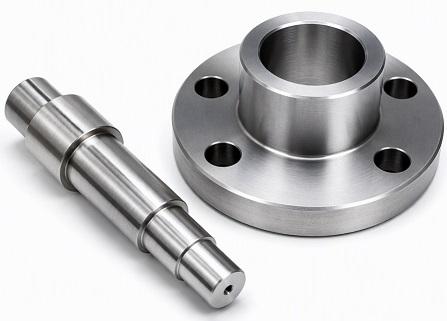
1045 is a medium-carbon steel that offers a useful balance of strength, hardness potential, and cost. It can be supplied in hot-rolled, cold-drawn, normalized, or heat-treated conditions. Its final properties depend strongly on section size and processing history.
Common applications include shafts, axles, pins, gears, and general mechanical parts. Compared with low-carbon steel, 1045 can achieve higher hardness and strength through suitable heat treatment, but it generally requires more attention to welding procedures and crack prevention.
4140 Alloy Steel
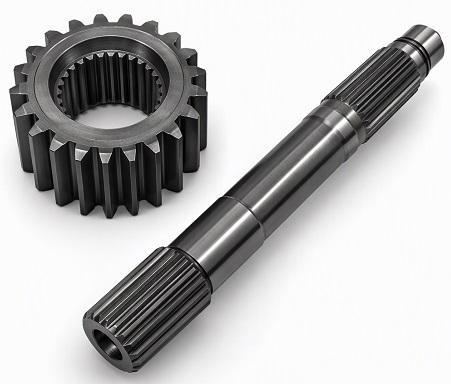
4140 is a chromium-molybdenum alloy steel valued for its hardenability, strength, toughness, and versatility. It is widely used for components subjected to significant mechanical loading, including shafts, gears, fixtures, tooling, and industrial machinery parts.
The grade can be supplied in annealed, normalized, prehardened, or quenched-and-tempered conditions. Selecting the correct condition is important because machinability, dimensional stability, hardness, and mechanical strength change with heat treatment. Welding and post-weld treatment require appropriate procedures.
304 Stainless Steel
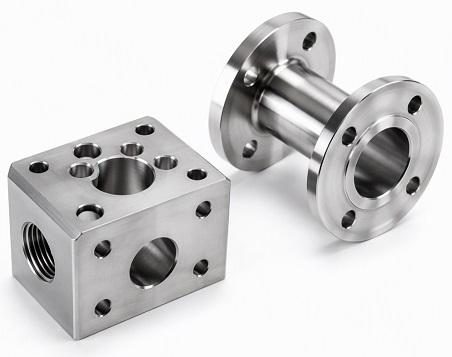
304 stainless steel is one of the most widely used austenitic stainless grades. It offers good corrosion resistance in many ordinary atmospheric, food-processing, and industrial environments, along with useful formability and weldability.
Typical applications include kitchen equipment, storage tanks, architectural components, tubing, and general-purpose fabricated products. However, 304 is not immune to corrosion. Chloride exposure, deposits, crevices, and elevated temperatures can cause localized corrosion under unfavorable conditions.
316 Stainless Steel
316 stainless steel contains molybdenum, which generally improves resistance to chloride-induced pitting and crevice corrosion compared with 304 in comparable environments. It is commonly used in marine equipment, chemical-processing systems, pharmaceutical equipment, and other applications where corrosion resistance is a major design consideration.
The choice between 304 and 316 should consider the actual chemical environment, temperature, surface condition, cleaning procedures, and applicable standards. Neither grade is universally resistant to all acids, salts, or industrial chemicals.
ASTM A36 Structural Steel
ASTM A36 is a widely recognized carbon structural steel specification used in many building and general fabrication applications. It is commonly supplied as plates, bars, and structural shapes, depending on product specifications.
It is often selected for building frames, brackets, base plates, and general-purpose welded structures. Buyers should verify the applicable specification, product thickness, required mechanical properties, and project code requirements.
Steel vs. Iron
Steel and iron are closely related materials, but they differ in composition, structure, and engineering performance. Pure iron is a chemical element, whereas steel is an iron-based alloy containing carbon and potentially other elements.
Commercial steel generally offers more controllable mechanical properties than pure iron. Its carbon content and heat treatment can be adjusted to produce materials ranging from soft, formable sheet steel to very hard tool steel.
| Property | Pure Iron | Steel |
|---|---|---|
| Composition | Primarily elemental iron | Iron with carbon and possibly other alloying elements |
| Strength | Generally lower than many engineering steels | Can be tailored across a wide strength range |
| Hardness | Relatively low in its pure form | Can be increased through composition, processing, and heat treatment |
| Corrosion Behavior | Can oxidize and corrode | Carbon steel can rust; stainless steel offers improved corrosion resistance |
| Applications | Specialized scientific and industrial uses | Construction, transportation, machinery, tools, and infrastructure |
Cast iron is another important iron-based material, but it generally contains more carbon than steel, commonly above approximately 2.1% by mass. Cast iron often offers good castability and compressive performance, while many steels provide better ductility and are more suitable for applications requiring extensive forming or welding.
Mechanical Properties of Steel
Mechanical properties determine how steel responds to tension, compression, bending, impact, and repeated loading. The correct combination of strength, ductility, toughness, hardness, and stiffness is essential for reliable component design.
The mechanical performance of steel depends on carbon content, alloying elements, grain size, microstructure, heat treatment, and manufacturing history. A low-carbon structural steel and a quenched-and-tempered alloy steel can have very different strength levels despite both being classified as steel.
Important mechanical properties include tensile strength, yield strength, elongation, fatigue strength, hardness, and modulus of elasticity.
Tensile Strength
Tensile strength describes the maximum engineering stress a material reaches during a tensile test before the load-bearing capacity begins to decline. It is commonly reported in megapascals (MPa).
Low-carbon structural steels may have tensile strengths in the range of approximately 400–550 MPa, depending on the grade and product specification. Medium-carbon and alloy steels can achieve substantially higher values through suitable processing and heat treatment.
High-strength steels are used in applications such as machinery, automotive structures, fasteners, and industrial equipment where high load capacity is important.
Yield Strength
Yield strength indicates the stress at which a material begins to undergo permanent plastic deformation. It is particularly important in structural design because components must often remain within specified deformation limits during normal service.
For many structural steels, yield strength depends on the exact grade, plate thickness, product form, and applicable standard. Some conventional structural grades have minimum yield strengths around 250 MPa, while high-strength and heat-treated steels can reach much higher levels.
A steel component with a high ultimate tensile strength does not automatically have an appropriate yield strength, fatigue life, or fracture toughness for every application.
Hardness
Hardness measures resistance to localized plastic deformation, commonly assessed using indentation tests. Steel hardness is frequently measured using Rockwell, Brinell, or Vickers methods, depending on the material, thickness, hardness range, and applicable standard.
Hardness is particularly important for cutting tools, bearings, gears, dies, and wear-resistant surfaces. Higher hardness often improves resistance to indentation and abrasive wear, but it may reduce ductility or toughness depending on the microstructure and heat treatment. Hardness should therefore be selected according to the actual failure mechanisms expected in service.
Young's Modulus
Young's modulus, also known as the modulus of elasticity, describes a material's stiffness within the elastic range. Most common steels have a Young's modulus of approximately 200–210 GPa, making steel significantly stiffer than aluminum on an equal cross-sectional-area basis.
This stiffness makes steel useful for beams, frames, machine bases, and precision structures. However, the stiffness of a complete component also depends on its geometry, support conditions, and loading direction. A well-designed aluminum structure can outperform a poorly designed steel structure despite the difference in material modulus.
Elongation
Elongation is the percentage increase in the gauge length of a tensile specimen after stretching to fracture. It provides an indication of ductility and helps engineers assess a material's ability to deform before breaking.
Ductility is important for sheet forming, bending, drawing, and applications where local plastic deformation may occur. Elongation values vary with specimen geometry, thickness, test direction, microstructure, and heat treatment, so comparisons should use equivalent test conditions.
Fatigue Strength
Fatigue strength describes resistance to failure under repeated or fluctuating loading. Fatigue is important in shafts, gears, springs, bridges, vehicle components, and rotating machinery.
Steel fatigue performance is influenced by surface finish, inclusions, residual stress, component geometry, corrosion, and manufacturing quality. Surface hardening, shot peening, and appropriate design can improve fatigue performance in selected applications.
There is no single fatigue strength value applicable to all steels. Engineers must consider loading cycles, stress ratios, surface conditions, and service environments.
Mechanical Properties of Common Steel Grades
The mechanical properties of steel vary depending on its grade, chemical composition, heat treatment, and product condition. The following table compares representative mechanical properties of common carbon steels, alloy steels, and stainless steels.
| Steel Grade | Tensile Strength (MPa) | Yield Strength (MPa) | Elongation (%) | Hardness (HBW) | Young's Modulus (GPa) |
|---|---|---|---|---|---|
| AISI 1018 (Cold Drawn) | 440–490 | 370–400 | 15–25 | 126–149 | 205 |
| AISI 1045 (Cold Drawn) | 570–700 | 400–530 | 10–20 | 170–210 | 205 |
| ASTM A36 | 400–550 | 250–350 | 20–30 | 130–180 | 200 |
| AISI 304 Stainless Steel (Annealed) | 515–750 | 205–300 | 40–60 | 150–201 | 193 |
| AISI 316 Stainless Steel (Annealed) | 515–750 | 205–300 | 40–60 | 150–217 | 193 |
| AISI 4140 Alloy Steel (Annealed) | 620–700 | 400–450 | 20–27 | 180–210 | 205 |
Steel Compared with Other Metals
Steel, aluminum, and titanium alloys are all important engineering materials, but they offer different balances of density, stiffness, strength, corrosion resistance, and cost. The best choice depends on component geometry, operating conditions, production methods, and required service life.
| Material | Density | Typical Tensile Strength | Young's Modulus | Main Consideration |
|---|---|---|---|---|
| Steel | Approximately 7.85 g/cm³ | 400–2,000 MPa or more, depending on grade | 200–210 GPa | High stiffness, a broad strength range, and wide availability |
| Aluminum alloy | Approximately 2.7 g/cm³ | 150–600 MPa for many common grades | 69–72 GPa | Low density, useful corrosion resistance, and good thermal conductivity |
| Titanium alloy | Approximately 4.4–4.5 g/cm³ | 800–1,200 MPa for selected grades | 100–120 GPa | High specific strength and excellent corrosion resistance in suitable environments |
Steel is often preferred for cost-sensitive structures, highly loaded machinery, and applications where stiffness and wear resistance are important. Aluminum is attractive when reducing mass and improving thermal conductivity are priorities. Titanium is used when its specific strength, corrosion resistance, or performance in demanding service conditions justifies its higher material and processing costs.
These comparisons are general. Different grades, tempers, product sizes, and heat treatments can produce substantial variation in strength and other properties.
Thermal Properties of Steel
Thermal properties influence steel's performance in furnaces, engines, boilers, heat exchangers, manufacturing equipment, and structures exposed to changing temperatures. Steel generally has lower thermal conductivity than aluminum, but many grades offer useful thermal stability and mechanical performance under demanding service conditions.
Important thermal properties of steel include thermal conductivity, coefficient of thermal expansion (CTE), specific heat capacity, and melting temperature.
Thermal Conductivity
Thermal conductivity measures how effectively heat travels through a material. Carbon steels commonly have thermal conductivity values broadly around 40–60 W/(m·K) near room temperature, although composition, microstructure, and temperature can change the actual value. Stainless steels, particularly austenitic grades, typically have lower thermal conductivity than many carbon steels.
Thermal conductivity is relevant to heat exchangers, tooling, molds, thermal fixtures, and equipment exposed to temperature gradients. For example, carbon steel can be suitable for certain industrial heat-transfer components, while stainless steel may be selected when corrosion resistance is more important than maximizing heat transfer.
| Steel Type | Thermal Conductivity |
|---|---|
| Low-carbon steel | 45–60 W/(m·K) |
| Medium-carbon steel | 40–55 W/(m·K) |
| 4140 alloy steel | 35–45 W/(m·K) |
| 304 stainless steel | 14–17 W/(m·K) |
| 316 stainless steel | 13–17 W/(m·K) |
Coefficient of Thermal Expansion
The coefficient of thermal expansion describes the change in a material's dimensions as temperature changes. Many carbon and low-alloy steels have a linear coefficient of thermal expansion of approximately 11–13 × 10⁻⁶/K near room temperature. Austenitic stainless steels generally have higher values, often around 16–18 × 10⁻⁶/K.
Thermal expansion must be considered in precision machinery, long structural members, piping systems, welded assemblies, and components connected to dissimilar materials. Differences in expansion can create internal stresses, distortion, or dimensional errors if movement is not properly accommodated.
Specific Heat Capacity
Specific heat capacity describes the energy required to raise the temperature of a unit mass by one degree. Many steels have a specific heat capacity of approximately 450–500 J/(kg·K) near room temperature, although the value varies with grade and temperature.
This property affects heating and cooling cycles during heat treatment, welding, casting operations, and industrial processing. It also influences the amount of energy required to bring a steel component to a specified temperature.
Melting Range
Unlike pure metals that melt at a defined equilibrium temperature, steel generally melts over a temperature range because it contains carbon and other alloying elements. Many common steels have solidus and liquidus temperatures broadly within approximately 1,370–1,530°C, depending on composition.
The melting range is relevant to steelmaking, casting, welding, and high-temperature processing. However, a steel's practical service-temperature limit is usually much lower than its melting temperature because yield strength, creep resistance, oxidation behavior, and microstructural stability can deteriorate at elevated temperatures.
Summary of Steel Thermal Properties
| Thermal Property | Typical Reference Value | Importance |
|---|---|---|
| Thermal conductivity of carbon steel | 40–60 W/m·K | Influences heat transfer and machining |
| Thermal conductivity of austenitic stainless steel | 14–20 W/m·K | Affects welding and thermal processing |
| Coefficient of Thermal Expansion | 11–13 × 10⁻⁶/K for many carbon steels | Important for dimensional stability |
| Specific Heat Capacity | 450–500 J/kg·K | Influences heating and cooling requirements |
| Melting Range | Grade-dependent; often approximately 1,425–1,540°C for carbon steels | Relevant to casting and high-temperature processing |
These values are approximate and vary with grade, temperature, and measurement conditions.
Electrical Properties of Steel
Electrical properties matter when steel is used in electrical enclosures, magnetic components, grounding systems, resistance-heating equipment, and electromagnetic applications. Unlike copper and aluminum, which are valued for their high electrical conductivity, most steels have substantially higher electrical resistivity.
Electrical behavior varies with composition, microstructure, temperature, and magnetic properties. Carbon steels are generally electrically conductive, while stainless steel typically has higher electrical resistivity than many common carbon steels. Neither should be treated as an equivalent substitute for copper or aluminum conductors without appropriate electrical and thermal design.
| Steel Type | Electrical Resistivity |
|---|---|
| Low-carbon steel | 0.12–0.20 μΩ·m |
| Medium-carbon steel | 0.15–0.30 μΩ·m |
| 304 stainless steel | 0.70–0.75 μΩ·m |
| 316 stainless steel | 0.70–0.80 μΩ·m |
The values are approximate references, not specification limits. Electrical resistivity generally increases with temperature for many steel grades, although the exact relationship depends on the material and temperature range.
Electrical Conductivity
Electrical conductivity describes how easily current passes through a material. Carbon steel conducts electricity, but its conductivity is much lower than that of copper and generally lower than that of aluminum. Electrical resistance can generate heat under current flow, so conductor dimensions, connection quality, temperature, and duty cycle must be considered.
Electrical Resistivity
Electrical resistivity measures the intrinsic opposition of a material to current flow. It is commonly expressed in ohm-meters (Ω·m) or micro-ohm-meters (μΩ·m). Conductivity and resistivity are inversely related: lower resistivity corresponds to higher conductivity under equivalent conditions.
Steel's electrical resistivity can be advantageous in certain resistance-heating applications, but the material is not universally suitable for electrical conductors. Electrical design should use measured or specification-based properties at the intended operating temperature.
Magnetic Properties of Steel
The magnetic behavior of steel varies with its composition and crystal structure. Many carbon steels, low-alloy steels, ferritic stainless steels, and martensitic stainless steels are ferromagnetic at room temperature. This makes them useful in magnetic fixtures, electrical machinery, magnetic holding systems, and certain sensor applications.
Austenitic stainless steels such as annealed 304 and 316 are generally non-magnetic or only weakly magnetic in their annealed condition. However, cold working can introduce some magnetic response, and the actual behavior depends on composition and microstructure. Therefore, stainless steel should not automatically be assumed to be non-magnetic.
Magnetic properties are important in applications involving magnetic separation, induction heating, transformers, motors, and electromagnetic inspection. Electrical steels are specifically engineered to provide suitable magnetic behavior and low energy losses in electrical equipment.
When magnetic response is a critical design requirement, the appropriate magnetic properties should be verified using the specified material grade and processing condition rather than relying only on a broad category such as carbon steel or stainless steel.
Corrosion Resistance of Steel
Corrosion resistance is an important factor in choosing steel for construction, automotive components, marine equipment, industrial machinery, and outdoor infrastructure. The corrosion behavior of steel depends strongly on its chemical composition, surface condition, moisture exposure, temperature, and the presence of corrosive substances.
Ordinary carbon steel is vulnerable to rust when iron reacts with oxygen and moisture. In contrast, stainless steel contains chromium that can form a thin passive film, reducing the rate of corrosion in suitable environments. Alloy composition alone does not guarantee protection under every service condition.
| Steel Type | General Corrosion Behavior | Common Protection Strategy |
|---|---|---|
| Low-carbon steel | Prone to rust in moist or corrosive environments | Painting, galvanizing, oiling, or other protective coatings |
| Alloy steel | Varies substantially with composition and condition | Protective coatings or environment-specific material selection |
| 304 stainless steel | Good resistance in many ordinary atmospheric environments | Appropriate cleaning, surface finishing, and design to reduce crevices |
| 316 stainless steel | Generally improved resistance to chloride-induced localized corrosion compared with 304 | Suitable finishing, cleaning, and environmental compatibility assessment |
Why Does Carbon Steel Rust?
Rust forms when iron reacts with oxygen and water to produce iron oxides and iron oxyhydroxides. Unlike the stable passive layer found on stainless steel, ordinary rust is often porous and does not reliably protect the underlying metal.
In environments containing chloride salts, such as coastal locations or road-salt exposure, corrosion can accelerate. Industrial chemicals and elevated temperatures may create additional corrosion challenges.
Corrosion Resistance of Stainless Steel
Stainless steel's chromium-rich passive film can reform when the surface is exposed to oxygen after minor damage, provided the environment supports repassivation. This property contributes to its corrosion resistance in many applications.
Nevertheless, stainless steel can suffer pitting, crevice corrosion, stress-corrosion cracking, or other degradation mechanisms. Chloride concentration, temperature, tensile stress, surface contamination, and stagnant conditions can all influence performance. Grade selection should be based on the actual environment rather than the assumption that all stainless steels are corrosion-proof.
Surface Treatments for Steel
Surface treatments can extend service life, improve appearance, increase wear resistance, and provide additional protection against corrosion.
-
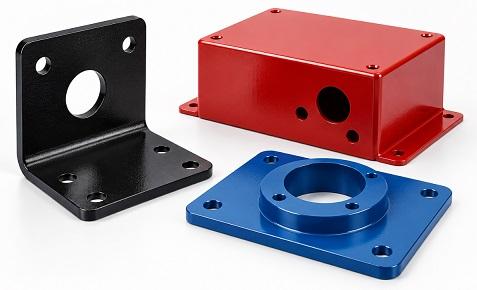
Painting
Painting creates a protective barrier against moisture and contaminants. Surface preparation and coating compatibility are essential for long-term performance.
-
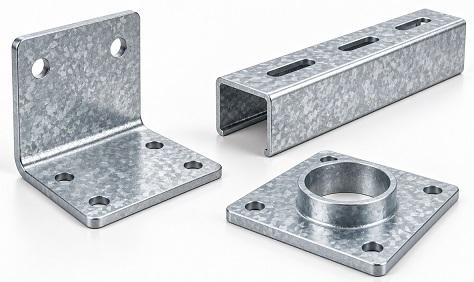
Galvanizing
Galvanizing applies a zinc coating that protects steel through barrier action and sacrificial protection under suitable conditions.
-
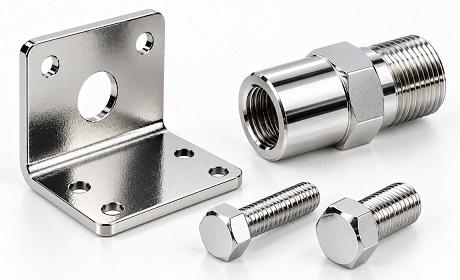
Electroplating
Electroplating deposits a metallic coating for corrosion protection, appearance, electrical performance, or wear-related requirements, depending on the coating system.
-
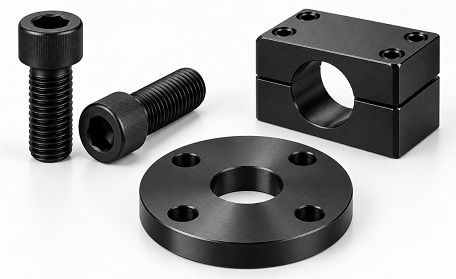
Black oxide
Produces a dark conversion layer often used for appearance and limited corrosion protection when combined with suitable oil or other supplementary protection.
-
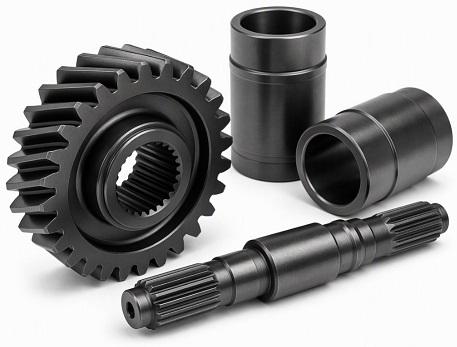
Nitriding
Nitriding creates a hardened surface layer on suitable steels to improve wear resistance and certain fatigue-related properties.
-
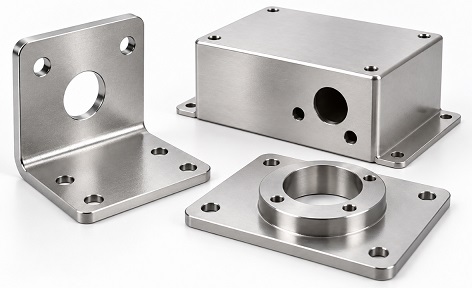
Passivation
Passivation is used for suitable stainless steel surfaces to remove free iron contamination and support the formation of a clean passive surface.
Surface protection should be selected according to the environment, maintenance schedule, appearance requirements, dimensional tolerances, and applicable environmental regulations.
Heat Treatment of Steel
Heat treatment of steel is a controlled process involving heating and cooling to modify the material's microstructure and mechanical properties. Depending on the steel grade and treatment conditions, heat treatment can improve hardness, strength, toughness, ductility, machinability, and wear resistance. Common heat treatment methods include annealing, normalizing, quenching and tempering, and surface hardening.
Annealing
Annealing involves heating steel to a specified temperature, holding it for a suitable period, and cooling it under controlled conditions. This process can soften the material, improve ductility and machinability, reduce certain residual stresses, and produce a more suitable microstructure for subsequent manufacturing operations.
Annealing is commonly used for carbon steel, alloy steel, and selected stainless steels before machining, forming, or further heat treatment.
Normalizing
Normalizing involves heating steel to an appropriate temperature above its critical transformation range, holding it to achieve the required transformation, and then allowing it to cool in still air. It is commonly used to refine the microstructure and improve structural uniformity.
Compared with many annealing treatments, normalizing generally produces a harder and stronger structure, although the final properties depend on the steel grade, section size, and processing conditions. It is often applied to carbon and low-alloy steels used in structural components, forgings, and general machinery.
Quenching and Tempering
Quenching involves heating a suitable steel to the required austenitizing temperature and cooling it rapidly in a medium such as oil, water, or a controlled gas environment. For hardenable steels, this process can produce a hard martensitic microstructure and significantly increase strength and hardness.
Tempering is performed after quenching by reheating the steel to a temperature below its critical transformation range and holding it for a specified period. This process reduces brittleness and improves toughness while retaining a useful level of hardness and strength. Quenching and tempering are widely used for alloy steel shafts, gears, fasteners, and other components subjected to substantial mechanical loads.
Surface Hardening
Surface hardening increases the hardness and wear resistance of a steel component's outer layer while maintaining a comparatively tough core. Common methods include carburizing, induction hardening, and nitriding.
- Carburizing introduces carbon into the surface of suitable steels at elevated temperature, followed by processing that develops a hard surface layer. It is commonly used for gears, shafts, and components requiring wear resistance together with a tougher core.
- Nitriding introduces nitrogen into the surface of selected steels to create a hardened surface layer. It can improve wear resistance and fatigue performance while limiting distortion compared with some other surface-hardening processes.
Applications of Steel
Steel is used in a wide range of industries because its properties can be tailored to different structural, mechanical, thermal, and environmental requirements. Its broad availability and established processing methods also make it suitable for both high-volume production and specialized engineering components.
- Construction: Steel beams, columns, reinforcement bars, roof structures, and steel framing support buildings, bridges, warehouses, and industrial facilities.
- Automotive manufacturing: Steel is used in vehicle bodies, chassis, suspension systems, safety structures, and numerous mechanical components.
- Industrial machinery: Gears, shafts, machine frames, fasteners, and cutting tools are manufactured from steel grades selected for their strength, hardness, and wear resistance.
- Energy production: Steel is used in pipelines, wind turbine towers, power generation equipment, storage tanks, and supporting structures.
- Transportation: Rail tracks, railway wheels, ship structures, trailers, and heavy transport equipment rely on different steel products.
- Household appliances: Washing machines, refrigerators, ovens, sinks, and kitchen equipment commonly incorporate steel or stainless steel.
- Food processing: Stainless steel is used for tanks, work surfaces, piping, and equipment designed for appropriate hygiene and cleaning requirements.
- Agriculture: Steel components are found in tractors, plows, harvesting machinery, storage structures, and irrigation equipment.
- Medical and laboratory equipment: Selected stainless steel grades are used in instruments, trays, work surfaces, and equipment requiring corrosion resistance and cleanability.
- Infrastructure: Steel supports water treatment facilities, communication towers, utility structures, and other public infrastructure.

Manufacturing and Machining of Steel
Steel can be manufactured into a wide variety of shapes and product forms through melting, casting, rolling, forging, machining, forming, and welding.
CNC Machining
CNC machining removes material using computer-controlled cutting tools to produce precise dimensions and complex geometries.
Steel is widely used for CNC-machined components because it offers a broad range of strength, hardness, and wear resistance. Common machined steel components include shafts, bushings, brackets, housings, gears, fixtures, and precision machine parts.
Machinability varies significantly among grades. Low-carbon steels may be relatively easy to machine in suitable conditions, while hardened tool steels and certain alloy steels can require specialized tooling, cutting parameters, and cooling strategies.
Welding and Fabrication
Steel is commonly joined through processes such as gas metal arc welding, gas tungsten arc welding, shielded metal arc welding, resistance welding, and laser welding.
Weldability depends on chemical composition, carbon equivalent, thickness, joint design, restraint, and service requirements. Some high-carbon and alloy steels may require preheating, controlled heat input, or post-weld heat treatment to minimize cracking and achieve the desired properties.
Proper welding procedures are essential when manufacturing pressure vessels, structural components, pipelines, and safety-critical equipment.
Conclusion
Steel is a versatile and widely used engineering material that supports construction, transportation, machinery, energy production, medical equipment, and many other industries. Its popularity comes from its high strength, stiffness, adaptability, broad availability, and ability to be manufactured in numerous forms.
Different steel categories provide different combinations of mechanical and physical properties. Carbon steel is often selected for economical structural and general-purpose applications, alloy steel provides enhanced strength and hardenability, stainless steel offers improved corrosion resistance, and tool steel is designed for demanding wear and tooling applications.
Mechanical strength, hardness, thermal behavior, corrosion resistance, and manufacturing requirements must all be considered when choosing a suitable grade. The correct material is not necessarily the strongest or hardest option; it is the one that meets the application's performance requirements at an acceptable total cost.
By understanding steel types, grades, properties, and processing methods, engineers and manufacturers can make better material decisions and produce reliable components for a wide range of industrial applications.